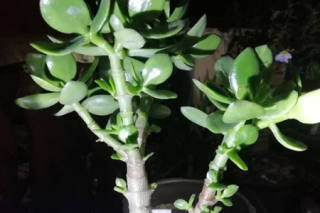
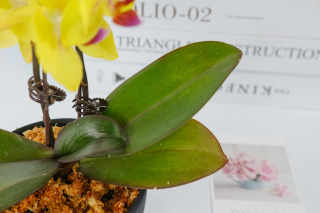
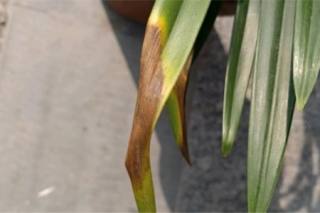
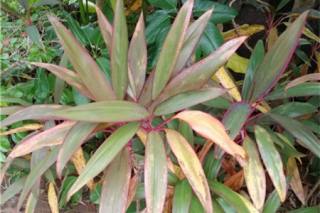
This kind of plant can resist the arid climate. In contrast, it is very afraid of water accumulation, so the yellow leaves may be caused by our frequent drenching. The characteristic of this reason is that there is no obvious change in its old leaves, but its younger leaves turn yellow. At this time, we should immediately control the application of water.
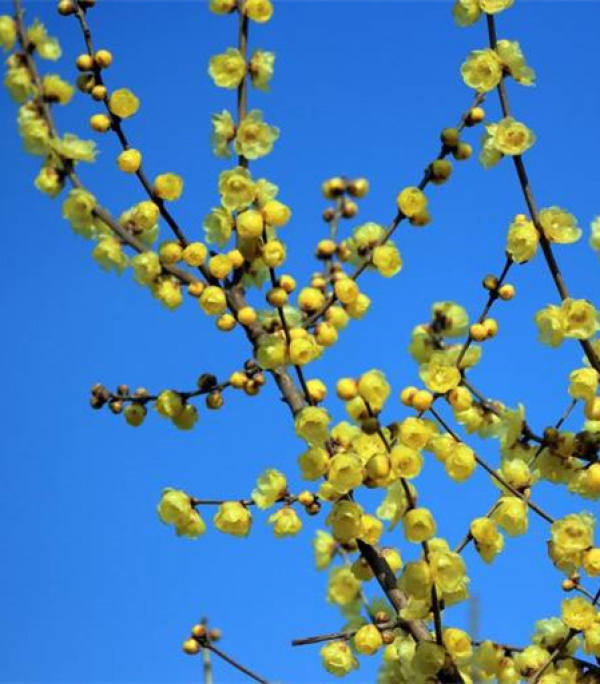
Even if this kind of plant is suitable for drought, but it needs a certain amount of water for growth, so where does it show up? Generally, if it's due to water shortage, it will turn yellow from the bottom to the top. If the water shortage lasts a little longer, the whole plant will turn yellow, even the whole plant will die. At this time, we should water immediately
This kind of plant should be fertilized once a year after the flowers wither, and then it will be fertilized once every 10 to 15 days, once again in July to August, and once again in autumn when the new leaves come out in spring and then in June. If the frequency of fertilization is too frequent, in the season that is not suitable for multiple fertilization, there will be young leaves that are thick, shiny and uneven. At this time, the amount of fertilization should be controlled.
It may be that the fertilizer applied is not enough or the time interval is too long, which is shown in the yellow of its young leaves and young stems. If this situation is not applied immediately, the whole plant will turn yellow or even die. If it is a lack of fertilizer, do not apply a large amount of concentrated fertilizer at one time, or there will be root burning.
This kind of plant sometimes appears yellow leaves because the fertility condition of soil changes too much, which is shown in that the young leaves are obviously yellow, while the old leaves are slightly yellow, the mesophyll is yellow, and the veins are green. At this time, some solution containing ferrous sulfate can be applied.