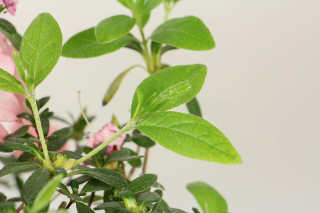
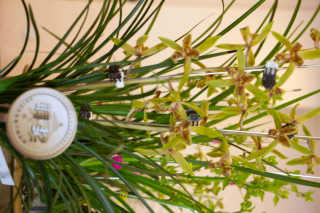
1. Symptoms: this disease occurs more often in greenhouse. The pathogen first invades the tip of the petal. After the disease, the petals become soft, faded and tarnished. Finally, the petals turn brown and rot, causing the flowers to fall off. When the environment is humid, the surface of the diseased part will produce gray mold layer.
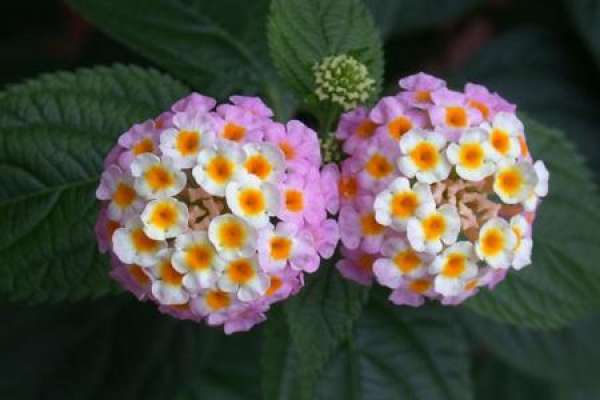
2. Prevention and control method: pay attention to ventilation and reduce indoor temperature, which can reduce the occurrence of disease. Remove the infected flowers in time and destroy them in a centralized way to prevent infection to other flowers. In the early stage of the disease, Bordeaux liquid, sukelin or puhaiyin can be sprayed to kill the pathogen as soon as possible. The number of sprays depends on the condition of the disease, usually once every two weeks.
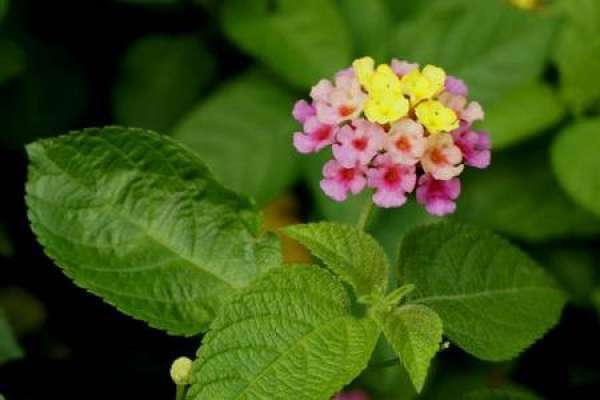
1. Symptoms: the nematode invades the leaves, causing the color of the leaves to become light, appearing light brown spots, and the color of the spots will gradually deepen. When the disease is serious, the whole leaf will wither, curl up and droop along the stem.
2. Control methods: strengthen the quarantine of nematodes to prevent the introduction of nematodes into disease-free areas. To improve the method of watering, do not use drenching to keep the leaves dry. 15% aldicarb granules or 3% carbofuran can be used for chemical control. It can also spray the leaves with 50% fenitrothion emulsion, 50% permanent line ester or 50% carbaryl wettable powder 1000 times in the damage period.