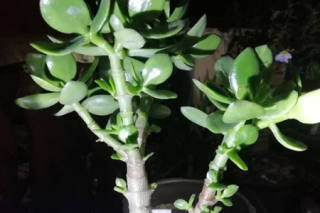
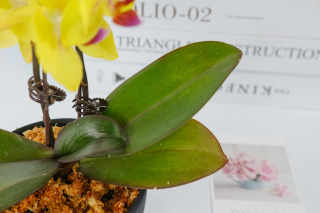
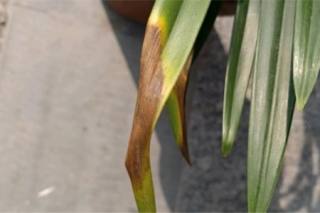
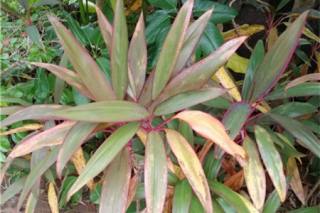
In the selection of flowerpots, the novice suggests using the rough pottery basin with good permeability of the basin wall, with high cost performance, and using the shallow basin to sacrifice the deep basin, and using the wide mouth basin to sacrifice the closing basin.
Of course! If you want to use a better looking ceramic basin, you can do the same, but the bottom of the flowerpot must be padded with gauze mesh anti leakage soil, and the bottom of the basin must also be padded with a layer of ceramsite and small stone as the drainage layer.
In addition, the selection of flowerpots and soil should have a reasonable match. If you use a basin with poor permeability, you should use a soil with good drainage, otherwise you should use a soil with water conservation.
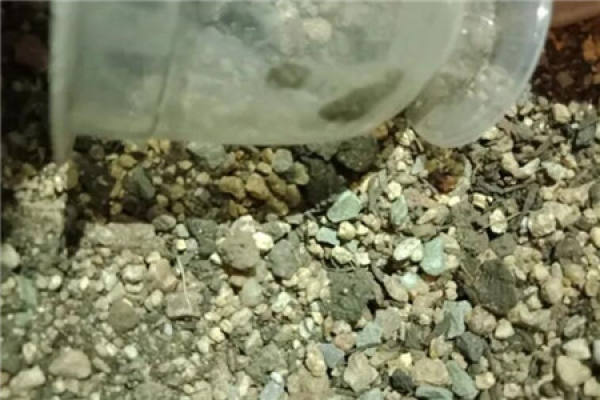
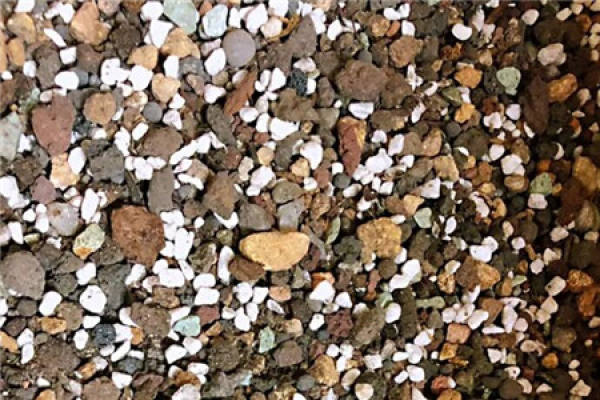
In the soil matching, peat soil for big seedling and fleshy: granular soil = 4:6 or 3:7, mainly composed of particles. If the old pile is fleshy, the particles can be more, even up to 2:8.
If the seedlings or leafcuttings are fleshy, peat soil: granular soil = 5:5 or 6:4, mainly peat soil, with sufficient nutrients, is more conducive to the growth of fleshy seedlings.
The peat soil can be replaced by pine needle soil, and the granular soil can be matched at will, among which the demon feels that the best is phytolith and chlorite, and perlite is easy to be powdered, which can be replaced by light stone.
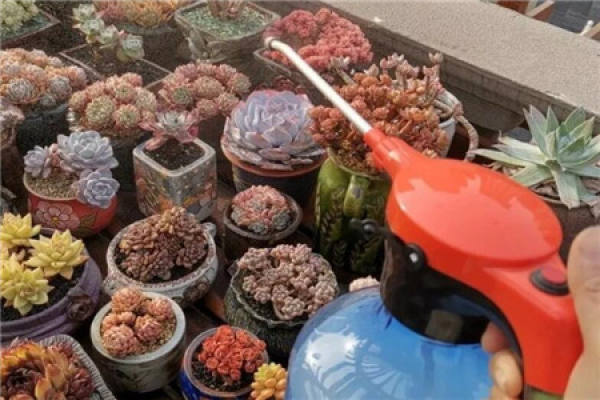
Water with more meat should be treated differently according to season, pot soil and variety with more meat. For example, in spring, water should be supplied with less times and more quantity, and the interval of water should be opened to prevent the difficulty of summer with more meat.
In summer, the fleshy leaves should be dormant. You can slide along the edge of the basin every 10 days, and you should water them in the evening to prevent water drops from remaining on the leaf surface. The sun is too strong to burn the fleshy leaves.
Although the temperature drops in autumn, but the meat has gone through dormancy and water control. In autumn, watering should be gradually increased, and it is not allowed to overeat, otherwise it is easy to water the root.
At the end of autumn, if the meat is still exposed, it is necessary to water less or even cut off the water. When entering the room in winter, choose to water less at noon. If the room is heated, you can water it once a week.
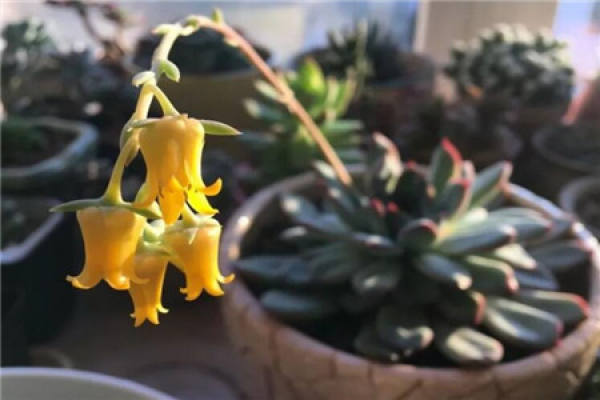
The demand for fertilizer and water is not high, especially the application of nitrogen fertilizer should not be biased, the multi meat in seedling stage can be applied with comprehensive fertilizer of nitrogen, phosphorus and potassium, and the amount of phosphorus and potassium fertilizer should be increased for the whole plant.
In fact, fleshy fertilization is not so complicated. For example, the demon only buries some granular controlled-release fertilizer when planting meat. In the growing season, it can be watered with fleshy nutrient solution every half a month.
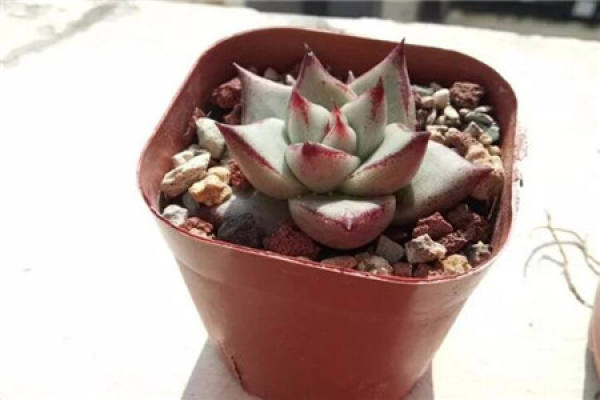
Multi meat medicine is mainly aimed at diseases and insect pests. Whether it is sterilization or killing insects, prevention is the main way. When diseases and insect pests have occurred in multi meat, it is often too late.
When prevention is the priority, the insecticides and fungicides should be poured once every two months. The insecticides mainly include imidacloprid and gebizhi. The fungicides include Carbendazim and chlorothalonil, which should be applied alternately.
In summer, pay attention to the problem of sun protection. If the sun is hanging high outside between 11:00 and 15:00 every day, make sure to pull up the sunscreen to prevent sunburn.
The biggest disaster in the fleshy winter is the low temperature. For most of the fleshy, the temperature is dangerous when it is lower than 5 ℃, so it's better to keep the temperature above 15 ℃ in winter and get more sunlight.