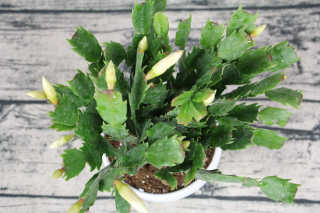
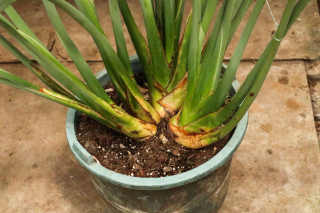
The main diseases and insect pests of honeysuckle are brown spot, white silk and powdery mildew.
Brown spot is a fungal disease. After the onset of the disease, the lesions on the leaves were round or polygonal, yellow brown, restricted by the veins, and there were gray mold on the back when it was wet. From July to August, he was seriously ill.
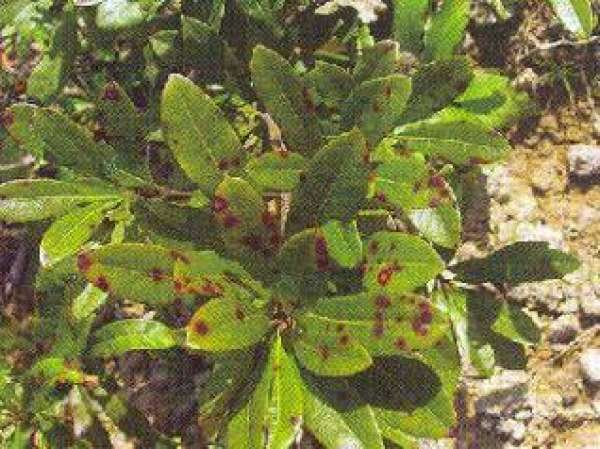
Control methods: removing branches and leaves, reducing the source of bacteria; strengthening cultivation and management, increasing organic fertilizer and enhancing disease resistance; spraying 3% 1:1.5:200 of borderomycin 50 mg /kg liquid in the initial stage of spray, 7~10 days 1 times, 2~3 times continuously.
The white silk disease mainly damages the rhizome. High temperature and rain are easy to occur, the incidence of young flower stump is low, and the incidence of old flower stump is high.
Prevention and control methods: in spring and autumn, the roots were raked and dried, scraped and irrigated with Bordeaux solution, and a ditch with a depth of 30 cm was opened around the diseased plant to prevent its spread.
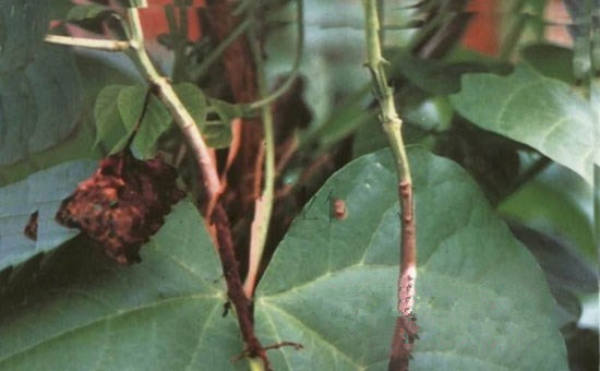
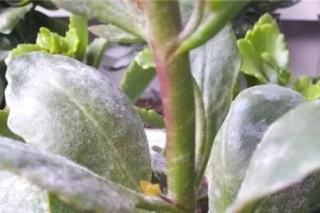
Powdery mildew is a common disease of seedlings and flowers, which mainly damages new shoots and twigs.
Control methods: apply organic fertilizer to improve disease resistance; strengthen pruning to improve ventilation and light transmission conditions; combine with winter pruning, try to cut off the germs with disease and overwintering bacteria sources; spray 0.1-0.2 Baume degrees of stone sulfur mixture when the scales are cracked in early spring and the leaves are not unfolded.