Greetings, Gardener. I am the daffodil, a spirit of spring sunshine resting in a bulb beneath your soil. To bring forth my golden trumpets, you must understand my yearly rhythm. Follow this calendar, and we shall thrive together.
Beneath the frozen crust of the earth, I am not idle. I am in a state of deep dormancy, but my roots are subtly absorbing moisture and nutrients, preparing for the grand awakening. Your task is simple: ensure I am not disturbed. If we have a winter with little snow, a protective layer of mulch (like straw or shredded leaves) over my resting place is a welcome blanket against the harsh freeze-thaw cycles that can heave my bulbs from the soil. Otherwise, let me dream of the sun.
As the sun's angle shifts and the days imperceptibly lengthen, I feel the change. Deep within my bulb, the embryonic flower and leaves begin to swell, pushing slowly upward. You may see the very tips of my green shoots bravely piercing the cold soil. This is a critical time for moisture. Please ensure I receive water if the late winter is dry. My growing roots are thirsty, and adequate hydration now is the foundation for a strong stem and a large, vibrant bloom.
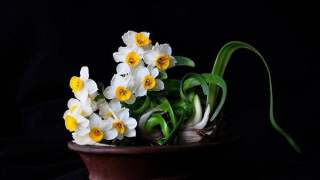
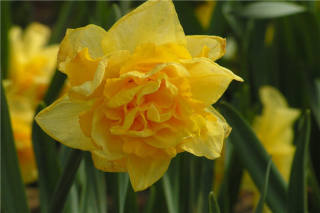
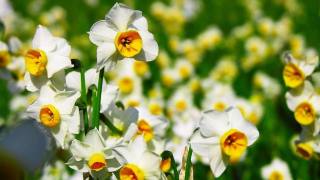
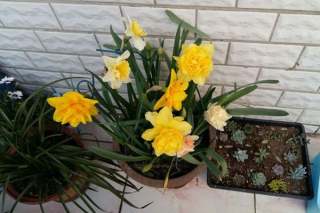
This is my moment! My leaves reach for the sky, and my flower bud swells and unfurls into the bloom you have patiently awaited. I am using all the energy stored from last year's season. While I am blooming, your care is minimal but vital. Enjoy my display! If you must cut some of my flowers for a vase, it does not harm me. However, please leave my foliage untouched. It is my solar panel, my very lifeblood for the seasons to come.
My petals have faded and fallen, but my work is far from over. For the next four to six weeks, my green leaves are absolutely essential. Through photosynthesis, they are capturing sunlight and converting it into energy, which is sent down to my bulb to be stored for next year's flower. Do not tie, braid, or cut my leaves until they have turned at least half yellow and withered naturally. You can apply a light, balanced, liquid fertilizer to help in this replenishment process. This phase is the most important investment you can make in my future.
My foliage has now completely yellowed and died back. I have withdrawn all its energy into my bulb. I am entering my summer dormancy. I prefer to be on the dry side during this period. If you are in a climate with wet summers, this is why I often struggle to naturalize. This is also the time when you can safely dig up and divide my bulbs if the clump has become too crowded and the blooms have diminished.
The soil cools, the autumn rains begin, and I awaken from my summer sleep. My roots begin to regrow, seeking out water and establishing a strong hold before winter. This is the perfect time for you to plant new bulbs of my kind. Settle me into the soil at a depth two to three times my height, in a spot that will bask in full sun come spring. A little bone meal or bulb fertilizer in the planting hole will give me a wonderful start.
My roots are now established, drawing in moisture and nutrients from the cool earth. As the ground begins to freeze, I am safely tucked away, ready for my long winter's nap. A final, deep watering before a hard freeze is beneficial. You may apply a fresh layer of mulch after the ground is cold to maintain a consistent temperature and protect me from premature sprouting during a warm winter spell. Now, we wait together for the cycle to begin anew.