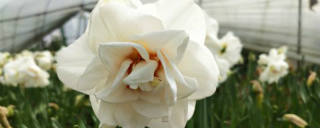
From a botanical perspective, forcing daffodils is the process of artificially replicating the seasonal conditions the bulb requires to break dormancy and initiate flowering, but on a significantly accelerated timeline. A daffodil bulb is a self-contained storage organ, packed with the embryonic plant and all the starches and nutrients needed to produce leaves and a flower scape. For successful forcing, the bulb must first experience a cold period, which mimics winter. This chilling is crucial for degrading growth inhibitors within the bulb and triggering the biochemical changes necessary for the development of the flower primordia. Without this simulated winter, the bulb will not flower.
Your success begins with the bulb itself. For indoor forcing, you must select bulbs that are specifically labeled as "pre-cooled" or "prepared for forcing." These bulbs have already been subjected to a commercial cooling process that satisfies their chilling requirement, saving you several weeks. If you use regular garden bulbs, you will need to provide a 12-16 week chilling period at a consistent 35-48°F (2-9°C) in a refrigerator or cold frame. Choose bulbs that are firm, large, and free from mold or soft spots, as a larger bulb size generally correlates with more stored energy for a better flower display.
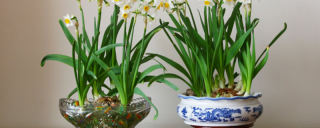
The setup of pebbles and water serves a specific physiological purpose for the bulb. The pebbles act as a purely physical support structure, anchoring the roots and holding the bulb upright. They provide no nutritional value. The water, however, is critical. It hydrates the basal plate—the flattened, root-producing area at the bottom of the bulb—signaling it to send out roots. These roots will grow down into the water and pebble matrix. It is vital that only the base of the bulb and the emerging roots are in constant contact with the water. The body of the bulb itself must remain dry to prevent rot caused by fungal or bacterial pathogens that thrive in saturated, low-oxygen conditions.
After the chilling requirement is met, place the bulbs on a layer of pebbles in a container without drainage holes. Add more pebbles around the bulbs to hold them steady, leaving the top third of each bulb exposed. Add water until it just kisses the base of the bulbs. Place the container in a cool, dim location (around 50°F / 10°C) for several weeks. This cool, dark period is for root development. The plant prioritizes establishing a robust root system to support future top growth. Once you see significant root growth and a green shoot emerging from the bulb tip that is 1-2 inches tall, you can move the container to a brighter, warmer location (60-65°F / 15-18°C). This increased light and warmth will stimulate photosynthesis in the leaves and trigger the elongation of the flower stalk.
After the daffodils have bloomed, the plant's physiology shifts to replenishing the depleted bulb. Unfortunately, bulbs forced in water and pebbles have exhausted nearly all their stored energy reserves and are unlikely to recover sufficiently to flower again. The lack of soil and nutrients prevents the leaves from photosynthesizing effectively to rebuild the bulb. Therefore, it is standard practice to compost forced daffodil bulbs after flowering. This process is a single, spectacular use of the bulb's stored energy, perfectly designed for a temporary but beautiful centerpiece.