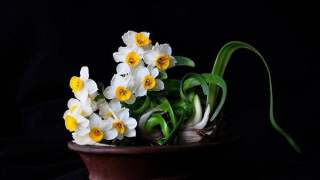
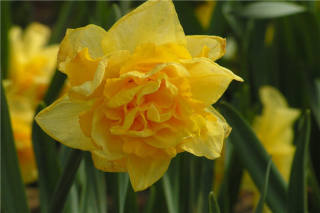
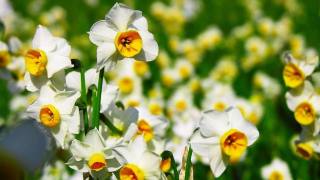
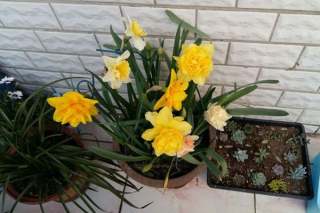
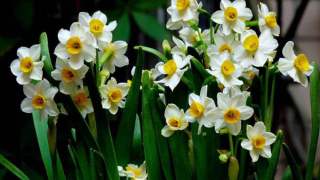
Daffodils (Narcissus spp.) are one of the most resilient and popular spring-blooming bulbs, celebrated for their vibrant yellow, white, and orange flowers. From a botanical perspective, their light requirements are directly tied to their native habitat and physiological processes for growth, flowering, and energy storage. Understanding these needs is key to ensuring vigorous blooms and long-term health.
For optimal performance, daffodils require a site that receives at least six hours of direct sunlight per day during their active growth phase in the spring. This period of full sun is critical for the process of photosynthesis. The leaves act as solar panels, converting sunlight, water, and carbon dioxide into carbohydrates (sugars). These carbohydrates are the primary energy source used to produce the current season's flower and, just as importantly, are stored in the bulb to fuel next year's growth cycle. A daffodil bulb that receives ample sunlight will produce a strong flower stalk, vibrant blooms, and healthy foliage, ultimately resulting in a larger, more robust bulb for the following spring.
Daffodils can adapt well to and often thrive in partial shade, which is typically defined as areas receiving dappled sunlight all day or about 3-6 hours of direct morning sun. Morning sun is particularly beneficial because it helps dry the dew from leaves, reducing the risk of fungal diseases. In climates with warm springs or hot summers, some afternoon shade can be advantageous. It prevents the foliage from scorching and helps prolong the bloom period by keeping the flowers cooler. The plant's photosynthetic efficiency is still high enough in partial shade to manufacture sufficient energy for the bulb's replenishment, ensuring a good display year after year.
Planting daffodils in full shade (less than 3 hours of direct sun) is generally not recommended from a plant health perspective. In deep shade, the rate of photosynthesis is significantly reduced. The plant will struggle to produce enough energy. The direct consequences are easily observable: the daffodil will produce weak, spindly, and often floppy foliage. It may fail to flower entirely (a condition known as "blindness") or produce very small, underwhelming blooms. Most critically, the bulb will be unable to store adequate energy reserves. This leads to a gradual decline in the bulb's size and vitality, causing it to weaken and eventually die out over a few seasons.
A common and successful scenario that mimics a daffodil's natural habitat is planting them under deciduous trees. This situation provides the best of both worlds. In early spring, before the trees have fully leafed out, the daffodils receive the full sun they desperately need for their growth and flowering cycle. By the time the tree canopy fills in and creates shade, the daffodils have largely finished flowering and are in the process of photosynthesizing to store energy for the next year. The dappled shade that follows is sufficient for this late-stage energy gathering before the foliage naturally yellows and dies back.