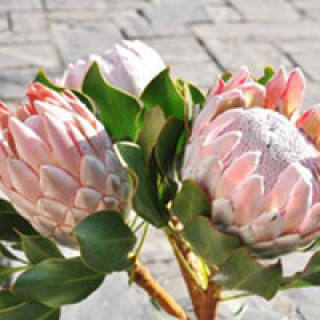
As a Protea, I am a proud survivor, hailing from ancient lineages in South Africa and Australia. My roots are adapted to well-drained, acidic, and often nutrient-poor soils. My very being is built to resist drought and harsh conditions. However, my greatest weakness is excess moisture around my roots and leaves, especially in humid or cool climates where I am cultivated. This moisture creates the perfect environment for fungal pathogens to attack. From my point of view, these fungi are not malicious; they are simply opportunistic organisms taking advantage of a stressed plant. When my caretaker over-waters me, or my soil does not drain quickly enough, my defenses are compromised. The fungi, like Phytophthora (root rot) or Botrytis (grey mould), see this as an invitation to colonize, blocking my vascular system and causing my roots to rot or my magnificent flower heads to turn to mush.
The most effective treatment is prevention, and this begins with creating an environment where I can thrive and naturally resist infection. My needs are specific. I require soil with exceptional drainage; a mix of coarse sand, gravel, and acidic compost is ideal. Please ensure my container or planting bed has ample drainage holes. When watering me, do so deeply but infrequently, allowing the soil to dry out significantly between waterings. Always water my roots at the base, avoiding wetting my foliage and flower heads, as lingering water droplets are a fungal spore's landing pad. Furthermore, please give me plenty of space and prune surrounding vegetation to ensure good air circulation around my leaves. This moving air helps to quickly dry any moisture, making it a hostile environment for fungi.
If you notice signs of trouble—such as wilting leaves that do not recover with water, blackened stems, brown spots on leaves, or a grey, fuzzy growth on flowers—immediate action is required. From my perspective, this is a critical fight for survival.
3.1. Pruning and Sanitation: The first step is to surgically remove all infected parts. Using sharp, sterilized pruning shears (clean them with rubbing alcohol between cuts), cut away diseased leaves, stems, and flowers. Make clean cuts well below the visible signs of infection into healthy tissue. It is crucial to collect and dispose of this diseased material far from me and my plant companions; do not compost it, as the fungus will survive and spread.
3.2. Applying Fungicidal Aids: After pruning, you can apply a fungicide to protect my remaining healthy tissue. I respond best to targeted treatments. For a more natural approach, consider a copper-based fungicide or a bicarbonate solution, which can alter the leaf surface pH to discourage fungal growth. For more severe, systemic infections like root rot, a chemical fungicide containing phosphorous acid (the active form of phosphite) can be highly effective. This compound boosts my own natural defense systems, helping me to wall off and fight the Phytophthora pathogen. Always follow the product instructions carefully, applying it as a soil drench to reach my root zone.
After treatment, my recovery depends on continued excellent care. Please monitor my watering habits even more closely. You might consider applying a gentle, slow-release, low-phosphorus fertilizer formulated for acid-loving plants to help me regain my strength, but avoid over-fertilizing, as this can cause soft, susceptible new growth. Continue to monitor me for any new signs of disease. By returning to and maintaining the ideal growing conditions I require, you give me the best chance to not only recover but to build lasting resilience against future fungal attacks.