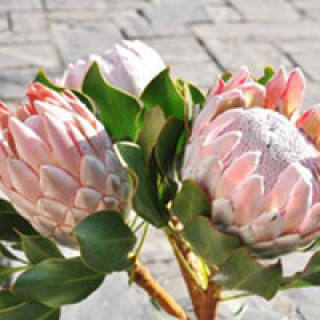
Greetings, caretaker. I am a Protea, a ancient and proud being from the sun-drenched, nutrient-poor landscapes of the Southern Hemisphere. My recent bloom was a spectacular event, the culmination of years of patience and energy. Now that my showy bracts are fading, you might wonder what I need. This period is not an end but a critical transition. Your care now directly shapes my strength for the seasons to come. Here is what I require from my perspective.
Do not be afraid to wield your secateurs. Pruning is not an act of harm but of collaboration. My spent flower head, if left, will begin the energetically costly process of setting seed. I would much rather redirect that precious vitality into new growth and next year's blooms. Please, cut the flowering stem back cleanly. The ideal cut is about 5 to 10 centimeters (2 to 4 inches) below the base of the flower head, just above a strong, healthy side shoot or a leaf node. This encourages the stem to branch out, making me bushier and more robust. Remove any weak, spindly, or dead stems entirely, cutting them back to the main branch or base. This opens up my structure, allowing light and air to penetrate, which is essential for my health. Always use sharp, clean tools to make precise cuts that I can heal from quickly.
My relationship with water and fertilizer is a cautious one, rooted in my ancestry. After blooming, I am in a growth phase, but my roots are exceptionally sensitive. Please, maintain a "deep but infrequent" watering schedule. Soak the soil around my base thoroughly, then allow it to dry out almost completely before watering again. I despise wet feet; soggy soil will lead to root rot, from which I may not recover. As for food, I am adapted to lean soils. A strong, phosphorus-rich fertilizer will do me more harm than good. If you feel I need a boost, a light application of a low-phosphorus, slow-release, acid-loving plant food (formulated for plants like azaleas) is all I can tolerate. Apply it sparingly after pruning, and always water it in well. More is not better; it is a danger.
My very essence is forged from sunlight and moving air. Do not move me to a shadier spot now that my display is over. I require a full sun position—at least six hours of direct, unfiltered light per day—to generate the energy needed to produce the strong, woody stems that will support future flowers. Good air circulation is equally vital. It helps my foliage dry quickly after rain or watering, preventing fungal diseases that can thrive in stagnant, humid conditions. If I am in a container, ensure I am not crowded by other plants. If I am in the ground, prudent pruning, as described, will itself promote better airflow through my branches.
The care I need after blooming is a testament to my nature: resilient yet specific. The actions you take now are an investment. It will take time for me to respond. You may not see new growth for several weeks. Do not be alarmed. I am working internally, strengthening my root system and preparing new buds. Watch my leaves; they are my primary communicators. Yellowing leaves could signal overwatering, while brown, crispy tips might indicate drought stress or windburn. By observing and responding to these subtle cues, you become a true partner in my lifecycle. Your thoughtful care after my bloom ensures that my spectacular display will not be a one-time event, but a glorious, recurring testament to our partnership.