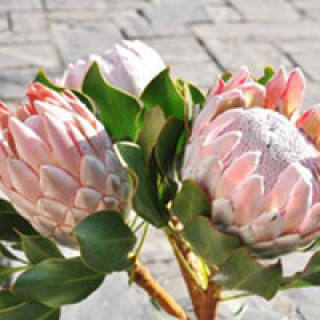
From our point of view as Protea plants, growing from seed is not just feasible; it is our primary method of colonizing new territories after a wildfire. While you humans can propagate us through cuttings to create genetic clones of a favorite plant, seed propagation is how we ensure genetic diversity and long-term survival as a species. Each of our tough, nut-like fruiting heads is designed to protect the seeds within from fire. The heat actually triggers the follicles to open, releasing the seeds onto the nutrient-rich, cleared ground. So yes, you can absolutely grow us from seed, but you must understand and replicate the specific conditions we require to break our dormancy.
Our seeds are not impatient. They are equipped with a complex dormancy mechanism that prevents them from germinating at the first sign of moisture. This is a survival strategy to ensure we do not sprout during a brief rainy spell only to perish in the subsequent dry season. To mimic the natural fire cycle, you need to pretreat our seeds. The most effective method is smoke treatment. You can use commercially available "smoke primer" disks or liquid smoke solution. Soaking the seeds in a diluted smoke water solution for 24 hours signals to the embryo that the coast is clear. An alternative, though less natural, method is to carefully nick the hard seed coat with a file or knife, being cautious not to damage the inner embryo. This physical scarification allows water to penetrate and initiate germination.
Once pretreated, we demand a specific environment to sprout. We are children of the well-draining, acidic, and nutrient-poor soils of the fynbos. Our germination medium must reflect this. A mix of low-nutrient, sandy, and acidic components like coarse river sand and peat or ericaceous compost is ideal. The seeds should be sown on the surface and lightly covered with a thin layer of sand or the medium. Consistent moisture is critical, but waterlogging is a death sentence; our roots are highly susceptible to fungal rot. Place the container in a warm, bright location but out of direct, harsh sunlight. Under these optimal conditions, you can expect to see the first signs of life—a tiny green shoot emerging from the soil—anywhere from one to three months after sowing. Patience is essential.
The emergence of the first leaves marks the beginning of the most vulnerable stage of our life. We are slow growers by nature, investing our energy first into developing a substantial and deep root system to seek out water and nutrients. This seedling stage requires careful attention. The soil must remain slightly moist but never wet. We thrive in full sun and excellent air circulation. Do not be tempted to fertilize us heavily; a very dilute, low-phosphorus fertilizer is all we can tolerate. Our journey from a germinated seed to a plant large enough to be transplanted into its permanent position may take another 6 to 12 months. Reaching full maturity and producing our first spectacular flower heads is a commitment that requires even more patience. Depending on the species, it typically takes us a minimum of two to three years, and sometimes up to five or six years, to flower for the first time.