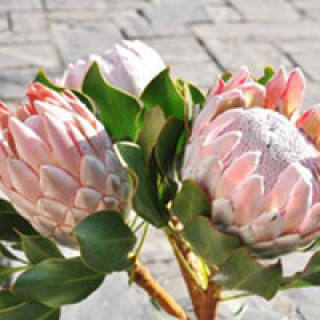
From my perspective as a Protea, light is my primary source of energy and the single most important signal for flowering. I originate from sunny, open landscapes where the sun is intense and direct. When you plant me in a spot with too much shade, even for just part of the day, my internal systems become confused. I perceive it as a signal that I am not in a suitable, open environment for reproduction. My priority shifts from producing flowers to simply surviving and stretching my stems to find more light. This results in leggy, weak growth and no flower buds. I need a full six to eight hours of direct, unfiltered sunlight every day to feel confident enough to invest my energy in the magnificent blooms you desire.
This is a critical point of misunderstanding. Many gardeners treat me like a typical flowering shrub and provide a fertilizer high in phosphorus (the middle number on the package). This is detrimental to me. In my native, nutrient-poor soils, I have evolved a special relationship with soil fungi called mycorrhizae. These fungi extend my root system and help me absorb the minimal nutrients available. High levels of phosphorus, especially, can damage these delicate fungal networks, effectively crippling my ability to feed myself. Furthermore, excessive nitrogen (the first number on the package) encourages me to produce an abundance of soft, leafy growth at the expense of flowers. It makes me susceptible to pests and diseases. I thrive on neglect when it comes to feeding; a little low-phosphorus, slow-release fertilizer formulated for native plants at the start of my growing season is all I need.
My root system is exceptionally sensitive to its surroundings. Firstly, I demand perfect drainage. My roots are adapted to well-aerated, gritty soils. If they sit in waterlogged soil, even for a short period, they will quickly succumb to root rot. Once this happens, my entire health declines, and flowering is out of the question. Secondly, I am very particular about soil pH. I require acidic soil, typically with a pH between 5.5 and 6.5. If the soil is too alkaline, I cannot access key nutrients like iron, leading to chlorosis (yellowing leaves) and poor health. Finally, please do not disturb my roots. I have fine, delicate roots that resent being dug around or transplanted. Any damage to them is a significant setback that will delay flowering for a season or more.
Patience is necessary. If I am a young plant, I may simply not be mature enough to flower. I need to establish a strong root system and sufficient leafy growth to support the significant energy expenditure of blooming. This can take two to three years from planting. On the other hand, improper pruning can directly remove my flower buds. I form my next season's flower buds on the old wood of stems that grew the previous year. If you prune me heavily in late winter or spring, you are likely cutting off all the potential flowers. The best time to prune me is immediately after I have finished flowering. This allows me ample time to produce new growth that will harden off and set buds for the following year.
While I am adaptable, I have specific climatic needs. A lack of a distinct temperature differential between day and night can sometimes inhibit flowering. I appreciate cooler nights following warm days. Furthermore, if I experienced an unseasonal frost just as my flower buds were forming, it may have killed them without you even noticing. The buds can be blackened and fall off. Consistent and strong air movement is also important for preventing fungal diseases that can weaken me and reduce my capacity to flower. If I am planted in a stagnant, humid corner, I will not be at my best.