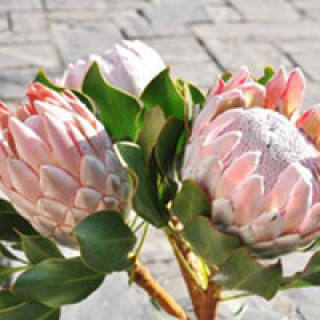
As a Protea, I have evolved over millennia to thrive in challenging, nutrient-poor environments. My growth is not like that of a fast-growing hedge or a fruit tree; it is deliberate and resilient. Pruning is not a necessity for my survival, but when done with understanding, it can help me channel my energy into becoming a stronger, more beautiful specimen. To prune me correctly is to work with my natural lifecycle, not against it.
From my perspective, the most critical aspect of pruning is timing. I flower on mature wood, which means the stems that grew last season will bear the magnificent blooms you admire this year. If you prune me at the wrong time, you will be cutting off my future flowers. The ideal time to prune is immediately after the main flush of flowering has finished. This is my natural signal to begin a new growth cycle. Pruning at this time gives the new shoots I send out plenty of time to mature and harden off before the cooler weather arrives, ensuring they are strong enough to produce next season's blooms. Pruning too late in the season risks exposing my tender new growth to frost damage, which can be a significant setback.
Pruning for me is not about drastic reduction. It is about strategic shaping and rejuvenation. When you approach me with secateurs, please think like a sculptor revealing a form, not a lumberjack felling a tree.
First, focus on the spent flowers. Cut the flower stem back cleanly, but do not just deadhead the bloom itself. Follow the stem down to a point where you see a strong, outward-facing lateral branch or a healthy set of leaves. Make your cut about 1-2 centimeters above this point. This technique directs my energy towards this lateral bud, encouraging it to grow outwards and maintain an open, well-ventilated structure. An open center allows sunlight to penetrate my core, reducing the risk of fungal diseases and promoting even growth throughout my canopy.
Second, address any unwanted growth. Look for stems that are spindly, weak, or growing inwards, crossing other branches and causing friction. Remove these entirely, cutting them back to their point of origin. This is like weeding my internal structure, allowing nutrients and water to be prioritized for the strong, healthy branches that will form my framework.
There are several practices that are detrimental to my health and form. Firstly, never cut back into old, bare wood. Unlike some plants, I do not readily produce new shoots from leafless, hardened stems. If you cut back too far, behind the zone of active green growth, that branch will likely die back, leaving an unsightly stump and opening a pathway for disease. My growth habit is to continually push new growth from the tips. Secondly, avoid "heading back" or shearing me like a hedge. This creates a dense outer shell that blocks light and air from reaching my interior, leading to dieback inside and only encouraging weak, surface-level growth. It goes completely against my natural architecture.
The ultimate goal of pruning me is to establish a robust, permanent framework of main branches. In my youth, light pruning after flowering will encourage me to become bushy and well-structured. As I mature, your pruning should focus on maintaining this shape, removing about a third of the previous season's growth after blooming. This annual maintenance prevents me from becoming leggy and woody, and encourages a consistent display of flowers year after year. By working with my innate growth patterns, you help me express my full, magnificent potential.