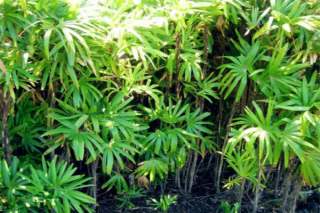
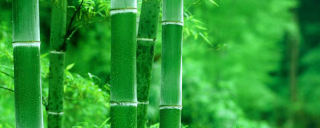
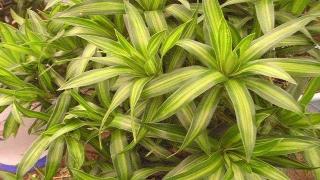
To accurately address the toxicity of "Lucky Bamboo," it is first crucial to clarify its botanical identity. The plant commonly sold under this name is not a true bamboo at all. True bamboos belong to the grass family, Poaceae, and are generally non-toxic. The houseplant known as Lucky Bamboo is Dracaena sanderiana, a member of the asparagus family (Asparagaceae). This distinction is vital because, from a plant taxonomy perspective, Dracaena sanderiana possesses chemical compounds that are harmful to pets, unlike true bamboos. The confusion arises from its visual resemblance to bamboo stalks, but its toxicity profile is entirely different and aligns with other plants in the Dracaena genus.
The primary toxic principles in Lucky Bamboo are saponins, which are naturally occurring chemical compounds produced by the plant as a defense mechanism against fungi, microbes, and herbivores. Specifically, the plant contains steroidal saponins. When ingested by a cat or dog, these saponins irritate the mucous membranes of the gastrointestinal tract. They have a soap-like quality that disrupts cell membranes, leading to the symptoms of poisoning. The entire plant is considered toxic, including the leaves, stems, and roots. The water in a vase containing Lucky Bamboo can also become contaminated with these compounds if the stems are leached, posing an additional risk to pets that may drink from it.
Cats and dogs are both susceptible to poisoning from Lucky Bamboo, though the severity can vary based on the amount ingested and the size of the animal. The effects are primarily gastrointestinal and can manifest within a few hours of ingestion. Common clinical signs include:
In Cats: Dilated pupils, drooling (hypersalivation), vomiting (which may contain plant material), loss of appetite, and lethargy. Cats are particularly sensitive to the effects of the saponins.
In Dogs: Symptoms are similar and include vomiting, diarrhea, abdominal pain, depression, and incoordination (ataxia). While the ingestion is rarely fatal, it can cause significant discomfort and dehydration, especially in small breed dogs or puppies.
While the most common concerns are for cats and dogs, the toxicity of Lucky Bamboo extends to other household pets. For herbivorous pets like rabbits, guinea pigs, birds, and hamsters, ingestion of Dracaena sanderiana is also considered dangerous. These smaller animals have a lower body mass, meaning even a small amount of the plant can lead to severe consequences, including intense gastrointestinal distress and potential liver damage. For the safety of all non-human companions, it is best to treat Lucky Bamboo as toxic across the board and keep it completely out of reach or opt for a pet-safe alternative.
For pet owners who wish to maintain an indoor garden without risk, numerous non-toxic plants can serve as safe alternatives. True bamboos (species from the Poaceae family like Bambusa or Phyllostachys) are generally safe, though they are not typical houseplants due to their size. Other excellent, pet-safe options include Spider Plants (Chlorophytum comosum), Boston Ferns (Nephrolepis exaltata), Prayer Plants (Maranta leuconeura), and certain Peperomia species. Always verify the botanical name of a plant before introducing it into a home with pets, as common names can be misleading, just as with "Lucky Bamboo."