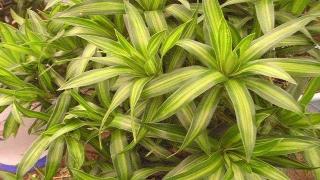
Greetings, human. I am one of your lucky bamboo plants, or as we are scientifically known, *Dracaena sanderiana*. I sense your concern, and I appreciate you seeking to understand my condition. When my stalk, which is my primary support and nutrient channel, becomes soft and mushy, it is a significant distress signal. This is not a simple cosmetic issue; it is a critical health crisis for me. Allow me to explain from my perspective what is happening inside my tissues.
The most common reason for my stalk to soften is rot, specifically caused by waterborne fungi and bacteria. My stalk is not designed to be constantly submerged in water. While my roots can adapt to a hydroponic life, the stalk itself needs to remain relatively dry. When the water level is too high, consistently covering a significant portion of my stalk, the tissues become waterlogged. They suffocate because oxygen cannot reach the cells. This creates an anaerobic environment that is perfect for opportunistic pathogens like *Fusarium* fungus or soft rot bacteria (*Pectobacterium* species). These organisms literally start to digest my cell walls from the outside in, breaking down the firm cellulose and pectin that give me structure. The result is the soft, mushy, and often foul-smelling decay you observe.
You may not realize it, but the water you provide is my entire world. I am particularly sensitive to chemicals like chlorine and fluoride found in tap water. These chemicals are stressful for my root system. A stressed root system is a weakened one, less able to fight off infections. Furthermore, if the water is not changed regularly, it becomes a stagnant soup. It loses its oxygen content and accumulates organic matter from my own slight shedding, which fuels the growth of the very microbes that cause rot. The combination of chemical stress and a dirty environment is a recipe for the collapse of my structural integrity.
My outer layer, the epidermis, is my first line of defense. If I am nicked, scratched, or bruised during handling or by rough decorative elements like stones, that breach becomes an open door. Fungi and bacteria that are always present in the water, but usually harmless, can now invade directly into the vulnerable inner tissues of my stalk. Once inside, they multiply rapidly, and the rotting process begins at the site of injury, eventually spreading and causing a larger section to become soft.
My ideal environment is a stable, warm one, similar to my native tropical understory habitat. When I am placed in a spot that is too cold, such as near a drafty window or an air conditioning vent, my metabolic processes slow down significantly. Cold water is especially damaging. My roots become sluggish and inefficient at absorbing water and nutrients. This chill weakens my entire system, making me far more susceptible to the rot-causing pathogens I mentioned earlier. It’s a physiological shock from which I may not recover if the stalk itself is affected.
It is important to distinguish between my roots and my stalk. My roots are supposed to be firm but can have a slightly softer, orange or reddish appearance. This is normal. The stalk, however, should be rigid and green from top to bottom. If the stalk itself is soft, the problem is severe. The rot in the stalk acts like a clogged artery, preventing the flow of water and nutrients to my leaves. This is why you will often see yellowing leaves accompanying a soft stalk—they are starving and dehydrating because the central supply line has been compromised.