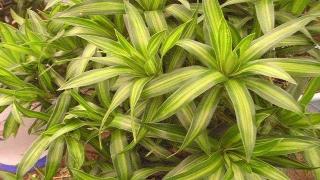
To understand the ideal conditions for Lucky Bamboo (Dracaena sanderiana), one must first recognize its natural habitat. Despite its common name, it is not a true bamboo but a member of the Dracaena family, native to the tropical rainforests of Central Africa. In the wild, it thrives on the forest floor beneath the canopy of larger trees. This environment provides filtered sunlight, consistent warmth, and high humidity. Therefore, the goal in cultivation is to mimic these stable, warm, and humid conditions as closely as possible to ensure the plant remains healthy, vibrant, and grows steadily.
Lucky Bamboo is highly sensitive to temperature fluctuations, particularly cold drafts and sudden chills. The optimal temperature range for this plant is between 65°F and 90°F (18°C and 32°C). Within this band, the plant's metabolic processes, such as photosynthesis and nutrient uptake, function efficiently.
It is crucial to avoid exposing the plant to temperatures below 55°F (13°C). When subjected to cold stress, the plant's cells can be damaged, leading to visible symptoms. The most common sign is the yellowing of leaves, which often starts at the tips and margins before spreading. Prolonged exposure to cold can cause the stems to become soft and mushy, a sign of severe damage that is often fatal. Similarly, placing the plant near heat sources like radiators, heating vents, or stoves can cause rapid dehydration, leading to brown, crispy leaf tips. The plant values consistency above all; a stable room temperature is far more beneficial than a widely fluctuating one, even if it stays within the ideal range.
As a tropical understory plant, Lucky Bamboo is adapted to humidity levels typically between 50% and 60%. Humidity is vital because it affects the plant's transpiration rate—the process of water movement through the plant and its evaporation from leaves. In low-humidity environments (common in air-conditioned or heated homes), the rate of transpiration increases. The plant loses water through its leaves faster than its roots can absorb it, leading to dehydration. This stress manifests as brown, dry leaf tips and edges.
While the plant can tolerate average household humidity (around 30-40%), it will not thrive. To increase local humidity, several methods are effective. Grouping plants together creates a microclimate with higher humidity as they collectively release moisture through transpiration. Placing the plant's pot on a pebble tray filled with water (ensuring the pot sits above the waterline) is another excellent method, as the evaporating water humidifies the air immediately around the plant. For the healthiest growth, occasional misting with filtered water can provide temporary relief, though it is not a long-term substitute for a properly humid environment.
The plant's response to temperature and humidity is intrinsically linked to its water and light conditions. Lucky Bamboo is often grown in water, and the water temperature should be considered. Using ice-cold water to top up the vase can shock the roots, hindering their function. It is best to use water that is at room temperature.
Furthermore, the quality of water is paramount. Chemicals like chlorine and fluoride, commonly found in tap water, are toxic to Lucky Bamboo and can cause leaf burn (brown tips) which can be mistaken for low-humidity stress. Using filtered, distilled, or rainwater is essential to prevent this chemical damage. Finally, while not directly related to temperature and humidity, light exposure plays a supporting role. Placing the plant in bright, indirect light ensures it has the energy to regulate its internal processes effectively, making it more resilient to minor environmental stresses. Direct sunlight, however, can scorch the leaves, compounding any stress caused by incorrect temperature or humidity.