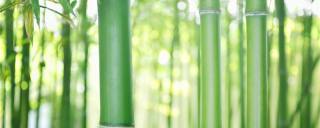
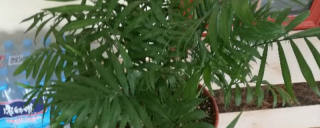
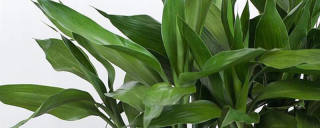
First, it is essential to understand that what we call "Lucky Bamboo" is not a bamboo at all. Its botanical name is *Dracaena sanderiana*. This plant is native to the understory of tropical rainforests in Central Africa. In its natural habitat, it grows beneath the canopy of much taller trees. This means it is naturally adapted to thrive in bright, but filtered or dappled, light. It rarely, if ever, experiences prolonged periods of intense, direct sunlight in the wild. Its leaf structure and physiology are optimized for capturing the limited light that penetrates the dense canopy, making it highly sensitive to the harsh, unfiltered rays of direct sun.
From my perspective as a plant, direct sunlight is a form of stress that damages my cellular machinery. The primary issue is photoinhibition, where the intense light energy overwhelms my photosynthetic system, leading to damage rather than energy production. You will observe this damage through clear physical signs on my leaves. The most common symptom is leaf scorch, where the tips and edges of my leaves turn yellow, then brown, and become crispy to the touch. This is essentially a sunburn, where the plant tissues are literally cooked and die. Furthermore, the vibrant green color that indicates my health will fade to a pale, washed-out yellow or even a whitish hue. This bleaching occurs because the chlorophyll pigments, which are crucial for photosynthesis, are being broken down by the excessive light energy.
If the exposure to direct sunlight continues, the consequences become more severe and systemic. The initial leaf scorch is not just a cosmetic issue; it represents a significant loss of my photosynthetic surface area. With fewer healthy leaves, my ability to produce the sugars needed for growth and maintenance is drastically reduced. This leads to stunted growth. Instead of producing new, healthy shoots, I must divert all my energy to simply surviving the ongoing stress. In a water-based environment (as many Lucky Bamboo plants are grown), the problem is compounded. The direct sunlight heats the water, raising its temperature. Warm water holds less oxygen, which can cause my roots to suffocate and become susceptible to rot, further compromising my overall health and stability.
To truly thrive rather than just survive, I require light conditions that mimic my natural understory home. My ideal location is in a spot with bright, indirect light. A north-facing window is often perfect. An east-facing window, which provides gentle morning sun, is also usually acceptable because the morning light is less intense. If the only available window is south or west-facing, I should be placed several feet away from the window or shielded by a sheer curtain. This filter recreates the dappled light of the forest canopy. In these conditions, my photosynthesis operates at peak efficiency without the risk of damage. I will reward you with steady, upright growth and deep, lush green leaves that are firm and healthy.
If you notice the signs of too much sun on me, immediate action is required. First, relocate me to a shadier spot with indirect light as described above. Do not be tempted to overwater or over-fertilize me at this point, as I am in a weakened state and this could cause further stress. You can carefully trim away the badly scorched, crispy parts of the leaves using sterile scissors. Make a clean cut, following the natural shape of the leaf tip. This pruning is not just for appearance; it helps me conserve energy by sealing off damaged tissue. Be patient. I will not regreen the yellowed or bleached sections, but new growth will emerge healthy if the light conditions are corrected. My recovery will be a testament to your attentive care.