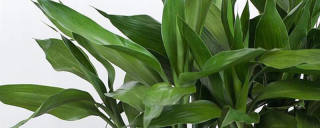
From a botanical perspective, the container is not merely a decorative vessel but the primary environment for the root system, which is the foundation of the plant's health. Lucky Bamboo (Dracaena sanderiana) has a relatively shallow and compact root structure. Therefore, the container's primary role is to provide physical stability and manage moisture levels effectively. A pot that is too large will hold excess water around the roots, creating anaerobic conditions that lead to root rot, a primary cause of decline. Conversely, a pot that is too small will constrict the roots, inhibiting growth and making the plant top-heavy and unstable. The ideal container has a diameter that is 2-5 cm wider than the root mass on all sides, allowing for some growth without excessive soil volume.
Material choice is also critical. Unglazed terracotta pots are porous, allowing water to evaporate through the walls, which helps prevent overwatering. However, this also means the plant will require more frequent watering. Glazed ceramic, glass, or plastic pots are non-porous and retain moisture for much longer. For Lucky Bamboo, which is often grown in water, a non-porous container is generally suitable, but when using soil, one must be exceptionally careful with watering frequency. Regardless of material, the presence of drainage holes is non-negotiable for soil-based cultivation. These holes allow excess water to escape, ensuring the roots have access to oxygen, which is as vital as water for their survival.
While Lucky Bamboo is famously adaptable to hydroponic conditions, its performance in soil is superior when provided with an appropriate medium. The soil's function is to anchor the plant, store water and dissolved nutrients, and facilitate gas exchange for the roots. A standard garden soil or a heavy, moisture-retentive potting mix is detrimental. It compacts over time, suffocating the roots and fostering fungal pathogens.
The optimal soil mix for Lucky Bamboo is a well-draining, slightly acidic to neutral, and rich in organic matter. A perfect base is a high-quality potting mix designed for indoor plants. To significantly improve drainage and aeration, this base should be amended with materials like perlite, coarse sand, or orchid bark. A recommended ratio is two parts potting mix to one part perlite or coarse sand. This creates a loose, open structure that allows water to flow through freely while still retaining enough moisture for the roots to absorb. The organic matter in the potting mix provides a slow-release source of essential nutrients like nitrogen, phosphorus, and potassium, supporting healthy foliage and cane development.
The choice of container and soil must be considered as an integrated system, not in isolation. The properties of one directly influence the performance of the other. For instance, if you choose a non-porous glazed ceramic pot (which retains moisture), it is even more critical to use a very well-draining soil mix with extra perlite to compensate for the pot's low evaporative rate. Conversely, if you prefer a porous terracotta pot, a standard potting mix with less amendment may be sufficient, as the pot itself will wick away excess moisture.
This synergy also dictates the watering regimen. The goal is to maintain consistently moist but never soggy conditions around the roots. After watering, any excess that drains into the saucer must be discarded promptly. The plant should only be watered again when the top 2-3 cm of the soil feels dry to the touch. This cycle of wetting and slight drying ensures the roots receive both water and oxygen. By carefully matching a suitably sized, well-draining container with a porous, nutrient-rich soil mix, you create a root zone environment that mimics the plant's natural preferences, promoting vigorous growth and long-term vitality.