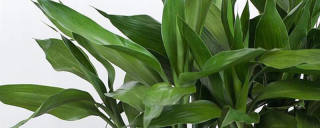
To understand your watering schedule, you must first understand how I function. I am not a true bamboo but a member of the Dracaena family (Dracaena sanderiana). My water needs are dictated by my unique physiology. I absorb water primarily through my roots, which then travels up through my stems to hydrate my leaves. Unlike many plants, I can also be grown hydroponically—in water alone—which reveals my adaptability. However, this adaptability has limits. My roots require a balance of water and oxygen. If they are constantly submerged without a break, they cannot access the oxygen they need and will begin to rot, turning soft and brown. This root rot is the primary reason I perish in human care. Therefore, the goal of watering is not to keep my roots perpetually wet, but to keep them consistently moist while allowing for gaseous exchange.
The single most important factor determining my watering frequency is the medium in which I am planted. My needs differ drastically between soil and water.
If I am growing in soil, my requirements are similar to many tropical houseplants. The soil should be kept lightly moist but never soggy. A common mistake is to water me on a strict calendar schedule. Instead, you should check the soil's moisture level. Insert your finger about an inch into the soil. If it feels dry, it is time to water me thoroughly until water runs out of the drainage holes in my container. Then, allow all the excess water to drain away completely. I should never be left sitting in a saucer of water. In typical indoor conditions, this usually translates to watering approximately once a week, but this can vary with temperature, humidity, and light.
If I am growing in water (hydroponically), the rules change. My roots should always be submerged in water, but the water quality and level are paramount. You should use distilled, filtered, or rainwater, as I am sensitive to the chemicals, especially fluoride and chlorine, commonly found in tap water. These can cause my leaf tips to turn brown. The water level should be high enough to cover my roots by an inch or two. You must refresh this water completely every one to two weeks to prevent stagnation and the growth of algae and bacteria, which can harm my roots.
My environment directly influences how quickly I use water. You must observe these conditions and adjust your care accordingly.
Light: I prefer bright, indirect light. If I am placed in a spot with more intense light (but never direct sun, which can scorch my leaves), I will photosynthesize more actively and may require water more frequently. In a lower-light setting, my growth and water uptake will slow down.
Temperature and Humidity: I thrive in warm temperatures similar to my native tropical habitat. During warmer months or if I am near a heat source, evaporation increases, and I may need water more often. Conversely, in cooler conditions, my water needs diminish. Low humidity can also cause me to lose moisture through my leaves more quickly.
Season: My growth cycle follows the seasons. In the spring and summer, I am in an active growth phase and will require more consistent watering. During the fall and winter, my growth slows significantly, and my water requirements drop. When in soil during winter, you must let the soil dry out more between waterings to compensate for reduced evaporation and my slowed metabolism.
I communicate my state of health through my appearance. Learning to read these signs is the key to perfect watering.
Signs of Underwatering: If I am not receiving enough water, my leaves will begin to curl or fold inwards in an attempt to conserve moisture. They may also become dry, crispy, and turn brown at the tips and edges. The soil will be obviously dry and may pull away from the edges of the pot.
Signs of Overwatering: This is a more dangerous and common problem. The earliest signs are often in the roots themselves—they become soft, mushy, and dark brown or black. Above the surface, my stems may turn yellow and feel soft. The leaves will also yellow, often starting from the base of the plant and moving upwards. A musty odor from the soil is another indicator of root rot caused by overwatering.