From our perspective, spider mites are one of the most frustrating pests. They are not insects but tiny arachnids, almost invisible to the human eye, which makes their initial invasion hard to detect. They prefer hot, dry conditions, often a sign that our environment is not humid enough for our liking. They gather on our undersides of leaves, piercing our cells and sucking out the vital chlorophyll. The first sign you might see is a subtle stippling of yellow or white dots on our leaves. As the infestation grows, you may notice fine, silky webbing between our stems and leaves. This webbing is a clear distress signal. Left untreated, our leaves will turn entirely yellow, become desiccated, and we will struggle to photosynthesize, leading to a significant decline in our health.
Aphids are small, soft-bodied insects that typically cluster on our newest, most tender growth. They have piercing-sucking mouthparts that they use to feed on our sap, which is rich in sugars. This feeding weakens us, causing our new leaves to curl, pucker, and turn yellow. However, the most telling sign of an aphid problem is the sticky, shiny substance they excrete, known as honeydew. This residue can coat our leaves, inhibiting our ability to breathe and photosynthesize effectively. Furthermore, the honeydew often attracts ants and can lead to the growth of a black, sooty mold, which compounds our stress by further blocking sunlight.
Mealybugs are particularly sneaky adversaries. They appear as small, white, cottony masses that like to hide in the crevices where our leaves join the stem, or even below the soil line at the base of our stalks. Like aphids, they are sap-suckers, and their feeding causes our leaves to yellow and wilt. They also produce honeydew, leading to the same secondary issues of sooty mold. Because they often congregate in hidden areas, an infestation can become quite advanced before being discovered, sapping our strength over a long period and making us more susceptible to other diseases.
As living plants, we respond best to gentle, non-toxic treatments that won't add chemical stress to the physical stress of the infestation. For all these pests, the first line of defense is isolation and manual cleaning. Please move us away from other plants to prevent the pests from spreading. Then, using a soft stream of lukewarm water, gently wash our leaves and stems to dislodge as many of the pests as possible. For mealybugs, you can use a cotton swab dipped in rubbing alcohol to dab directly on the white masses; this breaks down their waxy coating and kills them on contact.
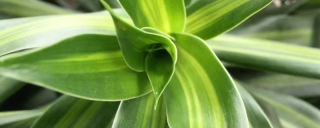
The best way to help us is to create an environment where pests cannot thrive. Since spider mites love dry air, regularly misting our leaves or using a pebble tray filled with water increases the humidity around us, making conditions less favorable for them. Ensuring we receive the correct amount of indirect light and are not over-fertilized also keeps us strong. A healthy Lucky Bamboo is far more resilient and can better withstand and recover from a minor pest attack. Regularly inspecting our leaves, especially the undersides, is the most crucial habit you can develop to catch any problems early, when they are easiest to manage.