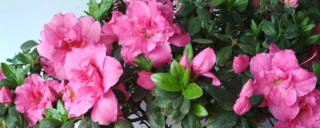
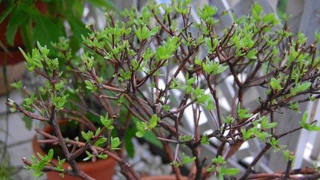
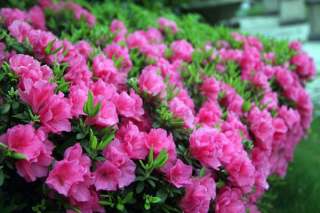
From my roots to my petals, humidity is not a luxury; it is a vital element of my existence. In my natural habitat, the dappled light of a forest understory, the air is often moist and cool. When I am brought into your home, the typically dry air, especially from heating or cooling systems, is a constant stressor. It pulls moisture from my leaves faster than my roots can draw water from the soil, leaving me thirsty, brittle, and vulnerable. To see me truly thrive, with lush green leaves and abundant blooms, you must address this fundamental need. Here is how you can recreate the humid conditions I crave.
Plants are social beings, and we benefit greatly from living in a community. When you group me closely with other humidity-loving plants, we engage in a beautiful symbiotic ritual called transpiration. Each of us releases water vapor through tiny pores on our leaves. By being grouped together, we collectively raise the humidity level in our immediate vicinity, creating a beneficial microclimate. This is the most natural and energy-free way to increase moisture in the air around me. Just ensure we are not so crowded that air cannot circulate, as stagnant air can invite fungal diseases, which I am quite susceptible to.
This is a classic and highly effective method that provides a steady, localized source of humidity. Please place a shallow tray or saucer filled with clean pebbles or gravel underneath my pot. Then, add water to the tray until it reaches just below the top of the pebbles. The critical step is to ensure my pot is sitting *on* the pebbles, not *in* the water. If my roots become waterlogged, they will rot, which is a fate worse than dry air. As the water in the tray evaporates, it surrounds my foliage with the moist air I desire. Remember to refill the tray as the water evaporates, making it a consistent source of relief.
For the most consistent and controllable humidity, a humidifier is the ultimate solution. It actively adds moisture to the air in the room, benefiting not only me but also your other houseplants and even your own respiratory comfort. I flourish in humidity levels between 40% and 60%. A humidifier allows you to monitor and maintain this ideal range, especially during winter when indoor air becomes excessively dry. Place it nearby, but not so close that a direct mist constantly settles on my flowers and leaves, as this can sometimes cause spotting.
A fine mist of lukewarm, filtered water on my leaves can feel like a refreshing morning dew. It provides immediate relief from dry air and helps to clean dust from my foliage, allowing me to breathe and photosynthesize more efficiently. However, you must understand that this is a temporary solution. The moisture evaporates quickly, and in the meantime, having wet leaves for prolonged periods can increase the risk of powdery mildew or botrytis, particularly if I do not have good air circulation. Therefore, view misting as a occasional supplement to other, more sustained methods like the pebble tray or humidifier.
Your home has microclimates of its own, and you can use them to my advantage. Rooms like kitchens and bathrooms often have naturally higher humidity levels due to activities like cooking and showering. If there is a spot in your bathroom with bright, indirect light (I need plenty of light, but direct sun will scorch my leaves), it could be an ideal location for me. Just be cautious of dramatic temperature fluctuations or direct drafts from vents. Similarly, grouping me with other plants in a well-lit kitchen can be a perfect way to provide the humid environment I need.