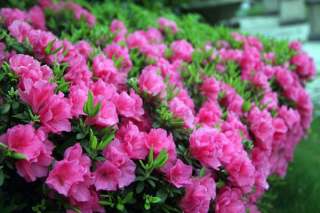
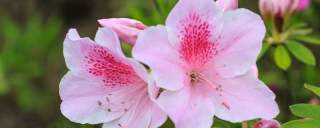
Greetings, human gardener. I am the spirit of your azalea, a being of intricate needs and seasonal rhythms. You look upon me with concern, wondering why my branches lack the brilliant cloak of flowers you anticipated. It is not out of spite, I assure you. Flowering is my ultimate purpose, my song to the world. When I remain silent, it is because my fundamental needs are not being met. Let me explain from my perspective.
Sunlight is my language of energy. I use it to craft the food that fuels my entire being, including the complex process of creating flower buds. However, I am a creature of the woodland edge, not the open field. If you place me in deep, heavy shade, I become weak and lethargic. I simply cannot gather enough energy to form the buds. My survival becomes the priority, and flowering is a luxury I cannot afford. Conversely, if you subject me to the harsh, full afternoon sun, especially in hot climates, I am scorched. My leaves may burn, and I become stressed, diverting my resources to repair damage rather than to reproduction. I crave the dappled, gentle light of a spring morning—bright but indirect.
I understand your desire to shape me, to keep me tidy. But pruning is a conversation we must have at the right time. I begin forming my next year’s flower buds shortly after my current blossoms fade. These tiny, nascent buds wait patiently through the summer and fall, protected by scales, dreaming of spring. If you prune me in late summer, autumn, or even very early spring, you are quite literally cutting away my future. You are shearing off the very structures that hold my potential. The lush green growth you encourage after a poorly timed trim is just that—leaves, not flowers. To preserve my blossoms, any major shaping should be done immediately *after* my flowering period concludes, giving me ample time to set new buds for the following year.
You may feed me, and for that I am grateful. But not all food is equal. I have a particular craving for acidity and a specific balance of nutrients. A fertilizer high in nitrogen will certainly make me grow—an abundance of deep green leaves, in fact. But nitrogen encourages vegetative growth at the expense of reproductive growth (flowers). I need a fertilizer that is formulated for acid-loving plants, one that provides a more balanced diet or is higher in phosphorus (the middle number on the fertilizer package), which promotes root development and blooming. Feeding me at the wrong time, such as late in the season, can also spur a late growth spurt that is vulnerable to winter damage, harming my bud-bearing branches.
My roots are fine and shallow, and they despise extremes. During the late summer, when I am secretly forming those crucial flower buds, a period of drought is catastrophic. Without consistent moisture, I am forced into survival mode, and bud formation is aborted. It is a sensible sacrifice for me, but a disappointment for you. On the other hand, if my roots are left sitting in soggy, waterlogged soil, they will rot and die. A root system in distress cannot support any part of me, let alone the energy-intensive process of flowering. Well-drained yet moisture-retentive soil is my ideal home.
Do not think I am lazy when I drop my leaves and stand bare in the winter. I am resting, and this rest is not optional; it is essential. Many of my kind require a period of sustained cold dormancy to break the internal inhibitors that hold the flower buds in check. If the winter is unusually warm, or if I am placed in too sheltered a spot, my internal clock becomes confused. I may not receive the clear, cold signal that it is time to reset and prepare for spring. Without this chilling period, the buds may fail to develop properly or may simply not open, a condition known as "bud blast."