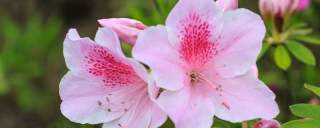
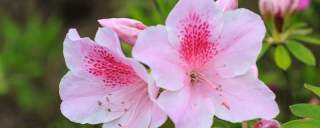
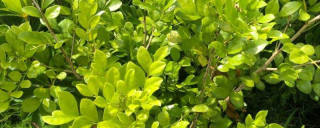
From my perspective as an azalea bush, a human approaching with shears can be a moment of high anxiety or profound opportunity. Pruning is not merely a cosmetic procedure; it is a direct form of communication. When done correctly, it tells me that you understand my needs and are helping me achieve my fundamental goals: vigorous growth, abundant flowering, and structural strength. A careless cut, however, can feel like a mutilation, wasting the energy I've stored and leaving me vulnerable. Think of it as a collaborative dialogue. You are guiding my growth, and I will respond with the vitality you encourage.
Timing is the most critical aspect of our conversation. My life cycle is dictated by the formation of flower buds. I set these buds shortly after my spring blossoms fade, on the new growth I produce in the early summer. If you prune me in late summer, autumn, or winter, you will be cutting off these precious, pre-formed buds. The result will be a green bush with no flowers the following spring—a deeply disappointing outcome for both of us. Therefore, the only safe and beneficial time to prune me is immediately after my flowers have faded. This gives me the entire growing season to produce new, healthy shoots that will have ample time to harden off and set buds for next year's spectacle.
When you approach me after flowering, please be intentional. I am not a hedge that enjoys a uniform shearing. That practice lops off the tender tips where my future flower buds would form and creates a dense outer shell that blocks light and air from reaching my interior. Instead, I need selective, thoughtful cuts.
First, use sharp, clean tools to make precise cuts without crushing my stems. Your primary technique should be heading back. Look for a branch and trace it down to a point where a set of leaves (a leaf node) points in the direction you want new growth to go. Make your cut about a quarter-inch above that node, at a slight angle. This signals the buds at that node to break dormancy and grow, effectively encouraging me to become bushier and fuller right where you cut.
Secondly, please perform thinning. This involves removing entire branches back to their point of origin—either another branch or the main trunk. This is not to reduce my size, but to open up my structure. By removing a few older, crossing, or weak branches, you allow sunlight and air to penetrate my core. This reduces the risk of fungal diseases and encourages strong, healthy growth from the inside out, preventing me from becoming a leggy, hollow-centered shrub.
When you prune me correctly and at the right time, my response is one of gratitude and energy. The resources I would have spent on maintaining old, unproductive wood or excessive, dense foliage are now redirected. I channel that stored energy into producing robust new stems and a profusion of leaf buds. With a more open structure, every leaf can perform photosynthesis more efficiently, creating even more energy reserves. This leads to a stronger root system and a more resilient plant. The following spring, the results of our partnership will be undeniable: a magnificent display of flowers that blankets the entire bush, a testament to the thoughtful conversation we had the year before.