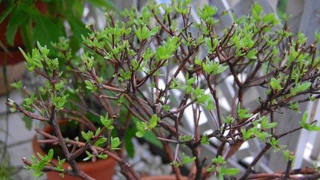
Azaleas belong to the genus *Rhododendron*, which is a large and diverse group within the Ericaceae family. This family also includes plants like blueberries and heathers. There are over a thousand species and cultivars of azaleas and rhododendrons, prized in horticulture for their vibrant, showy flower clusters that bloom in spring. From a botanical perspective, the entire genus *Rhododendron* is characterized by the presence of a group of toxic compounds known as grayanotoxins. These are neurotoxic diterpenoids found in all parts of the plant, including the leaves, flowers, nectar, and even the stems. The plant likely produces these toxins as a natural defense mechanism against herbivores, such as insects and browsing animals. The concentration of grayanotoxins can vary between species and even with the time of year, but no part of the plant is considered safe.
The primary danger azaleas pose to cats and dogs lies in the action of grayanotoxins on the cellular level. These toxins bind to the sodium channels in the cell membranes of nerve and muscle cells. Under normal circumstances, these channels open and close to regulate the flow of sodium ions, which is essential for proper nerve signal transmission and muscle contraction. Grayanotoxins bind to these channels and prevent them from closing. This leads to a persistent influx of sodium ions into the cells, a state of constant depolarization. This cellular malfunction disrupts the normal function of the nervous system and muscles, particularly those of the cardiovascular system. The most severe consequence is its effect on the heart muscle, potentially leading to dangerous drops in blood pressure, coma, and even death from cardiovascular collapse.
Both cats and dogs are highly susceptible to azalea poisoning due to their relatively small body size and the potency of the grayanotoxins. The ingestion of even a small amount of plant material can be toxic. It is estimated that ingestion of just 0.2% of an animal's body weight in leaves can lead to clinical signs of poisoning. For a 10-kilogram (22-pound) dog, this is a mere 20 grams of leaves, which is a very small quantity. Symptoms typically manifest within a few hours of ingestion and can range from mild to severe. Key signs to watch for include gastrointestinal upset such as vomiting (which may contain plant material), diarrhea, and drooling. These are often followed by more serious neurological and cardiovascular signs, including lethargy, weakness, loss of appetite, abnormal heart rate (either too fast or too slow), weakness, stumbling, tremors, and seizures.
If you suspect your cat or dog has ingested any part of an azalea plant, it is a medical emergency. You should contact your veterinarian or an animal poison control center immediately. Do not wait for symptoms to appear, as early intervention is critical. Time is of the essence in preventing the absorption of the toxins and managing the life-threatening cardiovascular effects. A veterinarian will likely induce vomiting if the ingestion was very recent, administer activated charcoal to bind any remaining toxins in the gastrointestinal tract, and provide supportive care. This supportive care is vital and may include intravenous fluids to maintain blood pressure and correct electrolyte imbalances, medications to control abnormal heart rhythms, and other treatments to manage seizures or pain.