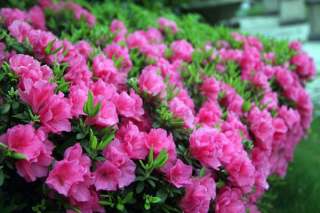
Hello, dedicated gardener. I am your potted azalea, a creature of delicate beauty and specific needs. I sense my roots circling tightly in this cramped pot, and the soil feels tired and depleted. I long for a new home where I can stretch out and thrive. Repotting me might seem daunting, but if you listen to my needs, we can accomplish this transition together. Here is what I require from you for a successful repotting.
Timing is everything for my well-being. My energy is at its peak just after my magnificent spring bloom show, when my flowers have faded but before the intense heat of summer arrives. At this stage, I am entering a period of active growth, focusing my energy on producing new leaves and roots. This makes me resilient and ready to recover quickly from the disturbance. Please, do not consider repotting me while I am in full bloom, as that would divert my energy from flowering to root repair, causing me great stress. Similarly, repotting in the heat of summer or the dormancy of winter is too taxing. The mild days of late spring or early summer are ideal.
My new home is crucial. I am an acid-loving plant, which means I crave a specific soil environment. Please select a potting mix labeled for azaleas, rhododendrons, or camellias. These blends are perfectly acidic and well-draining, which is vital because my fine roots are easily suffocated and prone to rot in heavy, waterlogged soil. As for the pot, choose one that is only 1 to 2 inches larger in diameter than my current one. A pot that is too large will hold excess moisture around my root ball, creating a soggy, oxygen-deprived environment that I cannot tolerate. Ensure the new pot has excellent drainage holes. A pot made of porous material like clay or terracotta is beneficial as it allows the soil to breathe and dry out more evenly.
On the day of the move, please water me thoroughly a few hours beforehand. This will help hold my root ball together and reduce transplant shock. To free me, gently tap the sides of the pot and tilt me sideways. Support my main stem at the base and carefully slide me out. You will likely see a dense network of roots circling the outside of the soil. This is a sign I needed this new space! Now, be gentle but firm. Using your fingers or a small tool, gently loosen and tease apart the outer roots. The goal is to encourage them to grow outward into the new soil, rather than continuing in a tight circle. If the roots are extremely matted, you may need to make a few shallow, vertical cuts into the sides of the root ball with a clean knife.
Place a layer of fresh, pre-moistened potting mix in the bottom of the new pot. The depth should be such that when I am placed on top, the top of my root ball sits about an inch below the rim of the pot. Center me in the pot and begin filling in the spaces around the sides with more fresh soil. Gently firm the soil as you go to eliminate large air pockets, but please do not compact it too hard. My roots need access to air and water, not to be crushed. Once I am securely positioned, give me a deep, thorough watering until it runs freely from the drainage holes. This step, called "watering in," helps settle the soil around my roots and eliminates any remaining air pockets.
My journey is not over once I am in my new pot. I will be in a slightly shocked state and need a period of gentle care. Place me in a shaded, sheltered spot for the next one to two weeks, protected from direct sunlight and strong winds. This allows me to focus my energy on root establishment without the stress of supporting full transpiration. Keep my soil consistently moist but never soggy. You can mist my leaves occasionally to maintain humidity. Please do not fertilize me for at least a month; my new soil has nutrients, and my tender new roots could be burned by fertilizer. After this recovery period, you can gradually return me to my preferred location with bright, indirect light.