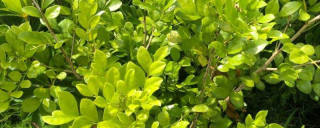
As an indoor azalea, my light requirements are a delicate balance. I am not a sun-wathering desert cactus, nor am I a deep-forest moss that thrives in perpetual shadow. I am a temperate woodland shrub, and my needs reflect my origins. Providing me with the correct light is the single most important factor in encouraging my vibrant blooms and maintaining my dense, green foliage. To truly thrive inside your home, you must understand my perspective on light.
My ideal light condition is bright, indirect light. This means I need a location that is filled with plenty of light, but where the sun's rays never directly touch my leaves. Why is this so crucial? Direct sunlight, especially the intense midday sun filtered through a window, acts like a magnifying glass on my foliage. It scorches my delicate leaves, causing brown, crispy patches and bleaching the vibrant green color. This damage impairs my ability to photosynthesize, weakening me over time. Conversely, indirect light provides the full spectrum of energy I need for photosynthesis without the damaging heat and intensity. Think of a spot where the sun illuminates the room brightly, but my shadow is soft and indistinct without harsh edges.
From my vantage point on the windowsill, the direction the window faces dictates the quality of light I receive. An east-facing window is often my perfect home. It provides gentle, cool morning sun that helps dry the dew from my leaves, reducing the risk of fungal diseases, followed by bright indirect light for the rest of the day. A north-facing window can also be suitable, offering consistent, soft light throughout the day, though it may be insufficient during the dark winter months. A west-facing window receives intense afternoon sun, which is often too strong for me; if this is your only option, I will need to be set back several feet from the glass or shielded by a sheer curtain. A south-facing window is typically the most challenging, as it receives the strongest, most direct light. Here, I must be placed well away from the window or protected by a filtering curtain at all times.
My light requirements are not static; they change with the seasons. During my primary blooming period in late winter and spring, I am expending a tremendous amount of energy to produce flowers. At this time, I appreciate the brightest indirect light you can provide to support this effort. However, as summer arrives and the sun's angle intensifies, you may need to pull me back from the window to protect me from the harsher light. In the fall and winter, when the sun is lower and less intense, you can safely move me closer to the light source. This is also the time when I am setting buds for my next bloom cycle. Insufficient light during these shorter, darker days can cause me to drop my buds or produce weak, spindly growth as I stretch desperately towards any available light source.
I will communicate clearly if my light situation is not ideal. Please pay attention to my leaves and growth habits. If I am receiving too much direct light, my leaves will develop brown or white scorched spots, and their green color may fade to a yellowish hue. The soil will also dry out much too quickly, stressing my roots. If I am not receiving enough light, my growth will become leggy and sparse, with long gaps between leaves as I stretch towards the light. My stems may be weak, and I will likely refuse to bloom. The rich green of my leaves may darken or appear dull. If you notice these signs, it is a clear request from me to be moved to a more suitable location.