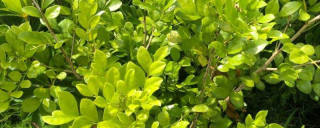
From my perspective as a Greek oregano plant, the single most common threat to my well-being is excessive moisture around my root system. I am a Mediterranean native, evolved to thrive in rocky, well-drained hillsides with infrequent rainfall. My roots are designed to seek out moisture deep in the soil and are highly susceptible to rot in consistently wet conditions. When you water me too often, or if I am planted in a container without adequate drainage holes, the soil becomes waterlogged. This suffocates my roots, cutting off their oxygen supply. You will first notice my leaves turning a sickly yellow, and my growth will become stunted. If not corrected, the root rot will set in, and I will quickly perish. I much prefer to be on the drier side; please wait until the top inch or two of soil is completely dry before giving me a thorough drink.
I am a sun-worshipper. In my native habitat, I bask in long, hot hours of intense sunlight, which is essential for my vitality and, most importantly, for developing the potent, aromatic oils that make me so valuable to you. When you place me in a spot with insufficient light—whether it's a shady corner of the garden or a dim windowsill—I am forced to respond. I will become "leggy," stretching my stems unnaturally long and thin in a desperate search for more photons. My leaves will be spaced further apart, and they will lack their characteristic strong flavor and fragrance. I need a minimum of six to eight hours of direct, unfiltered sunlight each day to produce the concentrated oils that define my essence. Without it, I become a pale, weak imitation of myself.
Please do not plant me in rich, heavy clay soil or amend my planting bed with excessive amounts of compost or manure. While this might be beneficial for plants like tomatoes or zucchini, for me, it is a recipe for disappointment. That kind of rich, moisture-retentive environment encourages lush, soft foliage growth at the expense of the very essential oils you are growing me for. My flavor will be bland and grassy. Furthermore, such soil retains too much water, leading back to the first mistake of root rot. I crave poor to average, gritty, and exceptionally well-draining soil. A mix with plenty of sand, perlite, or small gravel is ideal. It mimics the lean, rocky soils of my homeland and stresses me in just the right way to concentrate my flavors.
Many gardeners make the mistake of simply plucking a few leaves now and then and leaving me to my own devices. This is a missed opportunity for both of us. From my point of view, regular and purposeful harvesting is synonymous with beneficial pruning. If you allow me to flower and set seed, my biological mission is complete, and I will often become woody and slow down leaf production. However, when you frequently trim my stems back—by up to a third of their length—you signal me to become bushier and more compact. This prevents me from becoming leggy and encourages a flush of fresh, tender, and flavorful new growth. The most vigorous version of myself is a plant that is regularly harvested, which keeps me in a perpetual vegetative state of lushness.
Finally, I need my personal space. When you plant me too close to other herbs or allow dead leaves and stems to accumulate around my base, you create a humid, stagnant microclimate. This is an open invitation for fungal diseases like powdery mildew, which appears as a white, powdery coating on my leaves. This fungus inhibits my ability to photosynthesize and weakens me significantly. Ensuring good air circulation around my foliage is crucial for keeping me healthy. If I am in a container, do not overcrowd me with other plants. In the garden, give me enough room to spread out. Regularly clearing away any fallen debris from my base will go a long way in preventing these issues.