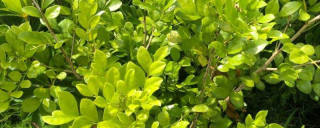
From our perspective as Greek Oregano (*Origanum vulgare* subsp. *hirtum*), our primary defense mechanism against pests is not physical but chemical. We synthesize and store a potent cocktail of volatile organic compounds, primarily carvacrol and thymol, within tiny glands on our leaves and stems. These compounds are what you humans perceive as our strong, pungent aroma. For us, this aroma is a powerful warning signal. When an insect, such as an aphid or cabbage moth caterpillar, begins to chew on our leaves, it ruptures these glands, releasing a concentrated burst of these oils. These compounds are toxic or highly deterrent to many soft-bodied insects and their larvae, effectively discouraging further feeding. We produce these chemicals not for your benefit, but for our own survival; it is our innate immune system protecting our photosynthetic tissues from being consumed.
Our defensive strategy extends beyond direct contact. On warm, sunny days, we naturally release our volatile oils into the air around us. This creates an invisible, aromatic shield or "aura" that permeates the immediate vicinity. For many pest insects that rely heavily on scent to locate their host plants, this cloud of carvacrol and thymol is overwhelming and confusing. It can mask the attractive scents of nearby, more vulnerable plants like tomatoes or peppers, making it difficult for pests to find them. This phenomenon, which you might call companion planting, is from our point of view simply us existing and exuding our natural presence. We are, in essence, broadcasting a continuous "keep away" signal that can benefit other plants growing within our sphere of influence.
While our chemistry is our most famous trait, our physical form also contributes to our resilience. Our leaves are small and covered in fine, tiny hairs (trichomes). This textured surface is difficult for many pests to navigate or lay eggs on. The density of our growth habit, forming low, bushy clumps, creates a microenvironment at our base that is shaded and aromatic. This can deter ground-dwelling pests like slugs and snails, which prefer cool, damp, open spaces. Our structure is not just for our own shape; it modifies the immediate microclimate in a way that is unfavorable for certain common garden invaders.
Our life cycle is geared towards thriving in the conditions we prefer: full sun and well-drained soil. When we are happy and healthy, our chemical production is at its peak. We flower prolifically, producing clusters of small white blossoms that are highly attractive to beneficial insects such as bees, hoverflies, and parasitic wasps. These insects are the natural predators of many common pests. By drawing them into the garden, we facilitate a balanced ecosystem. From our perspective, attracting these allies is part of our reproductive strategy to ensure pollination, but it has the secondary effect of introducing predatory and parasitic species that will patrol the garden, controlling aphid and caterpillar populations on other plants. Therefore, our placement is key; we are most effective when integrated throughout the garden, not just isolated in a corner.
Our relationship with the garden extends below the soil surface. Our root system exudes certain biochemicals into the rhizosphere (the soil surrounding our roots). These exudates can help suppress soil-borne fungal pathogens and may even inhibit the growth of weed seeds, reducing competition for resources. Furthermore, as a perennial plant, we provide year-round structure to the garden bed. Even when our above-ground growth dies back in winter, our root mass remains, helping to prevent soil erosion and maintaining a biological presence. Our continuous existence contributes to the overall health and stability of the plant community, creating an environment where plants are inherently stronger and more resistant to pest pressures.