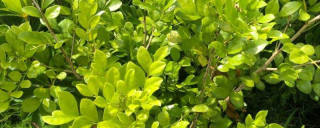
Seeing the vibrant green leaves of your Greek oregano turning yellow can be concerning. From the plant's perspective, this discoloration is a clear signal of distress, often related to its fundamental needs not being met. Let's explore the primary causes and the corresponding fixes from the plant's point of view.
My roots are my lifeline, responsible for absorbing water and nutrients and, crucially, for breathing. I require soil that is well-draining. If I am sitting in consistently soggy, waterlogged soil, my roots are suffocating. They cannot access the oxygen they need, and they begin to rot and die. This condition, called root rot, directly compromises my ability to transport water and nutrients to my leaves. The result is a systemic failure: my leaves start to turn yellow, often beginning with the lower, older leaves, and I become weak and stunted. To fix this, you must ensure my container has excellent drainage holes and that the soil mix is gritty and fast-draining. If I'm in the ground, consider amending the soil with sand or gravel or even relocating me to a raised bed.
Conversely, if the soil becomes bone dry for extended periods, I experience drought stress. Without adequate water, I cannot maintain turgor pressure in my cells or perform essential processes like photosynthesis. To conserve my limited water resources, I will begin to sacrifice my older leaves. These leaves will turn yellow, become crispy, and eventually drop. The fix is a consistent watering schedule. Water me deeply when the top inch or two of soil feels dry to the touch, but then allow the soil to dry out somewhat before watering again. I prefer a cycle of thorough watering followed by a period of slight dryness, mimicking the Mediterranean conditions I originate from.
While I am not a heavy feeder, I still require a balanced diet of essential nutrients to produce the chlorophyll that keeps my leaves green. A lack of key nutrients, particularly nitrogen (N), is a common cause of yellowing. Nitrogen is mobile within my system, meaning I can transport it from older leaves to support new growth. Therefore, a nitrogen deficiency will cause my older leaves to turn pale yellow first, while the new growth may remain greenish. To address this, you can feed me with a balanced, water-soluble fertilizer diluted to half-strength at the beginning of the growing season. Avoid over-fertilizing, as this can cause its own set of problems, including root burn.
If I am growing in a container, my roots will eventually fill the entire pot. When I become pot-bound, my root system is so congested that it struggles to absorb water and nutrients effectively, even if they are present in the soil. This physical restriction mimics the symptoms of both overwatering and nutrient deficiency, leading to yellowing leaves and generally poor health. The fix is simple: repot me into a container that is one or two sizes larger with fresh, well-draining potting mix. This gives my roots the space they need to function properly and support healthy green growth above the soil.
Finally, it is important to recognize that some yellowing is a natural part of my life cycle. As individual leaves age, they will naturally yellow and drop to be replaced by new growth. This is typically a slow process affecting only a few lower leaves at a time. Additionally, as the days shorten and temperatures drop in the autumn, I will naturally begin to slow my growth. Some yellowing and die-back is normal as I prepare for winter dormancy. In this case, no fix is needed; it is simply a part of my seasonal rhythm.