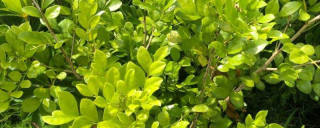
From our perspective as plants, Greek oregano (*Origanum vulgare* subsp. *hirtum*) is a formidable guardian in the garden bed. We release a potent aromatic cocktail of compounds, primarily carvacrol and thymol, into the air and soil. This strong scent acts as a natural olfactory camouflage, confusing and repelling many common insect pests that would otherwise feast on our neighbors. For plants like tomatoes, peppers, and eggplants, which are particularly susceptible to aphids, spider mites, and even the dreaded cabbage moth, our presence is a welcome form of defense. By interplanting with us, these fruiting plants can focus their energy on flowering and fruit production rather than constantly battling pests. We are not a cure-all, but we create a less hospitable environment for invaders, making the entire plant community more resilient.
Our relationship with companion plants is not only above ground but extends into the hidden world of the soil. Our root systems exude certain biochemicals that can help suppress soil-borne pathogens and nematodes that attack the roots of other plants. This is particularly beneficial for vulnerable crops like cucumbers and squashes. Furthermore, many of our fellow herbs, such as basil, sage, and rosemary, thrive in our company. We share similar growing requirements—plenty of sun and well-draining soil—and there is anecdotal evidence from the plant community that our proximity can subtly enhance the essential oil production in our neighbors, potentially leading to more flavorful basil leaves or more robust sage.
As a low-growing, spreading perennial, we form a dense mat of foliage. This physical characteristic is highly beneficial for certain taller, more upright plants. For instance, when planted around the base of broccoli or cauliflower, our foliage acts as a living mulch. We help the soil retain moisture by reducing evaporation, moderate soil temperature on hot days, and our dense growth habit shades out the soil surface, making it difficult for weed seeds to germinate and compete for resources. This allows the brassicas to access water and nutrients without intense competition. It’s a symbiotic relationship where we provide ground cover, and in return, the larger plants provide us with a bit of dappled shade during the hottest part of the day.
While our scent deters pests, it has the opposite effect on the garden’s most welcome visitors: pollinators and beneficial insects. When we send up our small, white or pale pink flower spikes in the summer, we become a magnet for bees, hoverflies, and parasitic wasps. These insects are crucial for the productivity of the entire plant community. By attracting these helpers, we indirectly support the pollination of crops like zucchini, pumpkins, and fruit trees that are entirely dependent on insect pollinators to set fruit. The beneficial insects, particularly ladybugs and lacewings attracted to our flowers, will also prey upon aphid populations, providing a second layer of pest control for the entire garden.
It is also important to acknowledge that not all plants appreciate our vigorous, Mediterranean nature. We require full sun and soil that dries out between waterings. Plants that crave consistently moist, rich soil, or those that prefer partial shade, will find our company stressful. For example, mint, while a relative, is too aggressive and would compete with us for root space, leading to a stressful battle underground. Similarly, plants like cilantro or parsley, which bolt (go to seed) quickly in hot, dry conditions, may be pushed to do so prematurely if grown too close to us, as we create a slightly warmer, drier microclimate at the soil level.