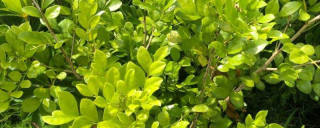
From my roots to my leaves, I am crying out for a consistent drink. Greek oregano (that's me, *Origanum vulgare* subsp. *hirtum*) am a Mediterranean native. I love well-drained soil, but that doesn't mean I enjoy being bone dry for days on end. If my soil is pulling away from the edges of my pot and feels dusty and crumbly to the touch an inch below the surface, I am severely dehydrated. My leaves will start to turn brown, crispy, and brittle, often starting at the tips and edges before the whole leaf shrivels and drops. This is a desperate survival tactic to reduce water loss. Please check my soil moisture regularly. Water me deeply when the top inch of soil feels dry, allowing the water to flow freely out of my drainage holes, then let me approach dryness again before the next watering.
Conversely, your kindness with the watering can might be killing me with too much love. This is the most common reason my fellow oregano plants perish. If my pot has no drainage, or if I am sitting in a saucer full of water, my roots are suffocating. They need oxygen as much as they need water. Constantly soggy soil leads to root rot, a condition where my roots turn dark, mushy, and can no longer absorb water or nutrients. The confusing part for you is that the symptoms above the soil can look similar to underwatering: my leaves will wilt, turn yellow, and then brown. The key difference is the feel of the soil and the stems. If the soil is wet and my stems feel soft or blackened at the base, you are overwatering. Ensure I am in a pot with excellent drainage and that you are not watering on a rigid schedule, but rather based on my soil's actual condition.
You may have placed me on a cozy kitchen windowsill, but if I do not receive at least six to eight hours of direct, bright sunlight each day, I will begin to languish. I am a sun-worshipper by nature. Without sufficient light, my growth becomes weak, leggy, and stretched out as I desperately reach for any available light source. My stems will be thin and weak, unable to support themselves, and the new leaves I produce will be small and pale, lacking the robust flavor and aroma I am known for. I need to be in your sunniest spot, preferably outdoors during warm weather. If I am indoors year-round, a south-facing window is my best friend, and I might even appreciate a grow light during the darker winter months.
If I have been growing in the same container for several years, I may have exhausted the available space and nutrients. My roots become pot-bound, circling tightly around the inside of the pot until they form a dense mat. This makes it difficult for me to take up water and nutrients effectively, causing my growth to stall and my lower leaves to yellow. While I am not a heavy feeder and prefer lean soil, a complete lack of nutrients will eventually cause problems. If you suspect this, you can gently slide me out of my pot to check my root system. If they are densely packed, it is time to repot me into a container that is only one or two inches larger in diameter with fresh, well-draining potting mix. A light feeding with a diluted, balanced fertilizer once at the start of the growing season can also be helpful.
Although my aromatic leaves are a natural pest deterrent, I am not completely immune. Spider mites, aphids, and mealybugs can sometimes infest me, especially if I am stressed from other conditions like low humidity or poor health. These pests suck the sap from my leaves, causing them to stipple, yellow, and curl. You might also see fine webbing (spider mites) or a sticky residue (aphids). Fungal diseases like powdery mildew can also appear as a white, powdery coating on my leaves, often exacerbated by poor air circulation and humid conditions. Improve air flow around me, avoid wetting my foliage when watering, and if necessary, treat pests with a strong spray of water or an insecticidal soap.