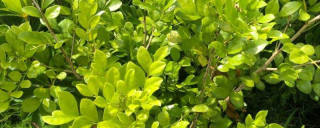
From our roots outward, our primary needs are simple but specific. We are Mediterranean plants, adapted to thrive in lean, rocky, well-draining soils. This means we do not crave, and can even be harmed by, the rich, nitrogen-heavy diets that leafy vegetables might enjoy. Our main goal is to produce an abundance of small, potent leaves rich in aromatic oils. Therefore, our ideal fertilizer provides a gentle, balanced supply of nutrients. A formula labeled as "balanced," such as a 5-5-5 (NPK), is often suitable. The key nutrients for us are: Nitrogen (N) for steady, healthy leaf growth; Phosphorus (P) for strong root development; and Potassium (K) for overall plant vigor and disease resistance. However, too much nitrogen will cause us to produce excessive, soft, less-flavorful foliage at the expense of the essential oils that give us our signature scent and taste.
Our growth cycle dictates when we are most receptive to feeding. We are perennial plants, meaning we live for several years, with a primary growth season from spring through summer. The most critical time to feed us is in the early spring, just as we begin to show signs of new growth after winter dormancy. This initial feeding gives us the energy to push out a strong flush of new stems and leaves. A second, light application can be made in mid-summer, especially if we are being harvested frequently or if our leaves appear pale green or growth seems stunted. It is crucial to stop fertilizing by late summer or early fall. Feeding us at this time would encourage tender new growth that would be highly susceptible to damage from the first frosts, weakening us before our winter rest.
The method of application is as important as the fertilizer itself. The golden rule for feeding plants like us is "less is more." Over-fertilizing can cause root burn, weaken our natural defenses, and diminish our fragrance. For granular, slow-release fertilizers, the best practice is to lightly sprinkle the recommended amount (always err on the side of less) on the soil around our base, keeping it away from directly touching our central stem. Then, water thoroughly. This helps the nutrients dissolve and seep down to our root zone where they can be absorbed safely. For liquid fertilizers, such as fish emulsion or a water-soluble balanced formula, always dilute it to half or even a quarter of the strength recommended on the label for other plants. Apply this diluted solution to the soil, not over our leaves, to avoid foliar burn. A top-dressing of well-aged compost or worm castings in the spring is an excellent, gentle alternative that feeds us slowly and improves soil structure, which we greatly appreciate.
If we are living in a container, our needs are slightly different. Nutrients in potting mix are depleted more quickly by watering and our confined root system. Therefore, we may require slightly more frequent feeding than our garden-planted siblings. However, the principle of moderation still applies. A light application of a balanced, slow-release fertilizer at the beginning of the season, supplemented perhaps by one or two applications of a very diluted liquid fertilizer during the peak growing season, is usually sufficient. Always ensure your container has excellent drainage, as soggy roots combined with fertilizer can be fatal for us.