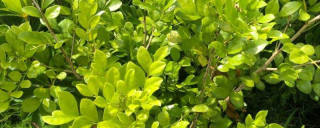
From a botanical standpoint, the ability of *Origanum vulgare* subsp. *hirtum*, commonly known as Greek oregano, to survive winter hinges on its genetic hardiness and environmental adaptation. The United States Department of Agriculture (USDA) Plant Hardiness Zone Map is the primary reference for this. Greek oregano is generally classified as hardy in zones 5 through 9. This means the plant can tolerate minimum winter temperatures down to -20 to -10 degrees Fahrenheit (-29 to -23 degrees Celsius) in zone 5. For the plant, a "hardy" classification indicates that its root system and crown possess physiological mechanisms to endure freezing temperatures. However, survival is not guaranteed at the extreme end of this range and is heavily influenced by specific microclimates and winter conditions, such as persistent wetness versus dry cold.
While extreme cold can certainly kill the plant, the greatest winter threat to Greek oregano from its own perspective is not cold air, but cold, wet soil. This Mediterranean native is evolutionarily adapted to well-drained, almost gritty soils. Its root system is highly susceptible to rot if it sits in waterlogged earth during dormancy. When the ground freezes and thaws repeatedly, it can heave the plant's root crown out of the soil, exposing tender roots to desiccating winds and freezing air, which is often fatal. Therefore, the plant's winter survival strategy is less about generating extreme cold tolerance and more about entering a dry, dormant state protected from excess moisture.
As daylight shortens and temperatures drop in autumn, Greek oregano undergoes significant physiological changes to prepare for winter. The plant ceases its active growth phase, redirecting energy from producing new leaves and stems to storing carbohydrates in its roots and crown. The above-ground growth, the stems and leaves you harvest, will typically die back, turning brown and brittle. This is a normal and necessary survival tactic. By sacrificing the tender top growth, the plant conserves vital energy, protecting the perennial crown and root system underground where temperatures are more stable. The plant enters a state of dormancy, a period of suspended animation, waiting for the warm signals of spring to resume growth.
Effective overwintering techniques are essentially ways to support the plant's natural survival mechanisms. The most critical step is ensuring excellent drainage at the root zone. If planted in heavy clay soil, amending it with sand or gravel or planting in a raised bed can mimic its preferred dryland habitat. For gardeners in zones 5 and 6, or during unusually harsh winters, providing a protective mulch is highly beneficial. However, timing and material are crucial. Apply a light, dry mulch like straw, pine needles, or shredded leaves *after* the ground has frozen solid in late autumn. This layer acts as an insulating blanket, preventing the damaging cycle of freeze-thaw cycles and keeping the soil temperature consistently cold. It is vital to avoid applying mulch too early, as it can trap moisture and create a humid environment conducive to rot, and to avoid using heavy, wet materials like whole leaves that can mat down and suffocate the crown.
For Greek oregano grown in containers, the plant's situation is far more precarious. The roots are surrounded on all sides by a small volume of soil that freezes much faster and more deeply than insulated ground soil. In this scenario, the plant's hardiness rating is effectively reduced by at least one full zone. The best strategy is to move the container to an unheated but protected location like a garage, shed, or cold frame. This provides the plant with the period of cold dormancy it requires while shielding it from the most severe temperature fluctuations and wet conditions. If moving the pot is not possible, heavily insulating the container by wrapping it in bubble wrap or burlap and moving it to a sheltered spot against a building can offer some protection.