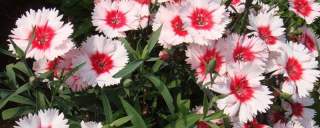
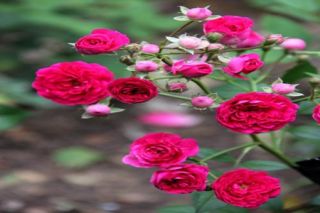
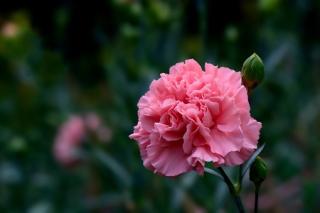
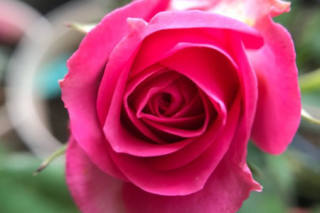
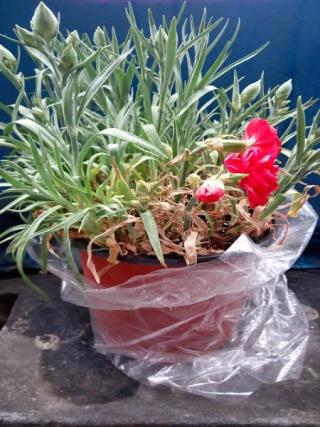
From a botanical perspective, the diverse colors of carnations (Dianthus caryophyllus) are not arbitrary but are the result of complex biochemical pathways within the plant. The primary pigments responsible for carnation coloration are flavonoids, specifically anthocyanins, and carotenoids. Anthocyanins produce a spectrum of red, purple, pink, and magenta hues, while carotenoids are responsible for yellow and orange tones. The specific color expressed in a petal is determined by the type and concentration of these pigments, the pH of the cell sap, and the presence of co-pigments that can modify the final shade. The genetic makeup of the plant dictates which pigments are produced and in what quantities, making color a heritable trait.
Each classic carnation color has a distinct botanical explanation. The vibrant red carnation, for instance, is rich in anthocyanins like cyanidin. A deep red hue typically indicates a high concentration of these pigments. Pink carnations contain the same type of anthocyanins but in a lower concentration, often influenced by genetic factors that limit pigment production. White carnations are a fascinating case of absence; they lack significant anthocyanin or carotenoid pigments altogether. Their pure white appearance comes from the reflection of light from cellular structures and air spaces within the petals. Purple carnations often result from a higher pH level in the cell sap interacting with anthocyanins, which shifts the color from red towards blue-purple. Yellow carnations are dominated by carotenoid pigments, such as lutein, which absorb blue and green light, reflecting yellow.
Some carnation colors are more complex from a plant science standpoint. Green carnations, for example, are unusual because they contain chlorophyll in their petals. Chlorophyll, the pigment essential for photosynthesis in leaves, is typically suppressed in floral tissues to allow other colors to dominate. In green cultivars, this suppression is incomplete or reversed, resulting in a petal that can, to a small degree, perform photosynthesis. The famous "blue" carnation, marketed as Moondust, is a prime example of biotechnology rather than natural plant biochemistry. Dianthus species naturally lack the specific delphinidin-based anthocyanins required to produce true blue hues. Through genetic engineering, scientists inserted a gene from the pansy that codes for the enzyme needed to produce delphinidin, allowing the carnation to create a violet-blue color not found in nature.
Carnation coloration is not always uniform. Striped or edged petals, known as variegation, occur due to localized differences in pigment production during petal development. This can be caused by transposable elements, or "jumping genes," that move within the plant's genome, turning pigment genes on or off in specific cell lines, leading to patterns. Furthermore, while genetics are primary, environmental factors can influence color intensity. Soil pH, available nutrients (particularly aluminum ions which can stabilize blue tones), sunlight exposure, and temperature can all affect the final shade. A carnation grown in different conditions may exhibit a slightly darker or lighter color, but its fundamental color range is genetically fixed.