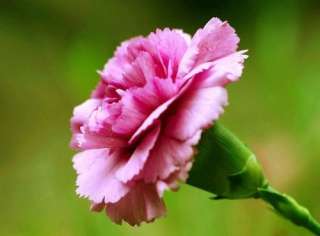
Thank you for your question. From a botanical perspective, the answer is not a simple one-size-fits-all, as the life cycle of a carnation (Dianthus spp.) is intrinsically linked to its genetics and how those genetics interact with your specific environmental conditions. Carnations encompass a wide range of species and cultivars, some of which are true perennials, others that are biennials, and many that are treated as annuals. Let's break down the factors that determine this.
The fundamental factor determining a carnation's life cycle is its species. True perennial carnations, such as the classic Dianthus caryophyllus (the florist's carnation) or the hardier Dianthus gratianopolitanus (Cheddar Pink), are genetically programmed to live for more than two years. They invest energy in developing robust root systems that allow them to survive dormant periods (winter) and regrow for multiple seasons. In contrast, some species or modern hybrids are bred for a single, spectacular season of bloom and are genetically inclined to complete their life cycle—from seed to flower to death—within one growing season. These are true annuals (Dianthus chinensis, or China Pinks, are often annuals). Furthermore, some are biennials, meaning they focus on vegetative growth in their first year and flower, set seed, and die in their second.
Your local climate acts as the selector that determines whether a perennial carnation's genetic potential can be realized. The most critical climatic factor is winter temperature, specifically the cold hardiness of the plant versus the minimum temperatures in your area. Many perennial carnations are hardy in USDA zones 4-8 or 5-9, depending on the cultivar. If you live in a zone colder than the plant's rating, the freezing temperatures will kill the crown and roots, making it behave as an annual. Conversely, in very hot and humid climates (especially zones 9 and above), perennial carnations often struggle with the intense summer heat and moisture, which can lead to root rot and fungal diseases, causing them to perish after one season.
Even within their hardy zone range, a perennial carnation's survival is not guaranteed. From the plant's viewpoint, its roots require one non-negotiable condition: excellent drainage. Carnations are exceptionally susceptible to root rot and crown rot if they sit in waterlogged soil, especially during winter. A wet, cold root zone is far more damaging than a dry, cold one. Therefore, heavy clay soil that retains water will often kill a genetically perennial carnation over the winter, making it act like an annual. In well-draining, sandy, or gravelly soil, the same plant has a high chance of surviving as a true perennial.
How you care for the plant directly influences its ability to express its perennial nature. A key practice is deadheading. From the plant's reproductive drive, the primary goal after flowering is to set seed. If spent flowers are consistently removed (deadheaded), the plant is diverted from the energy-intensive process of seed production and instead channels resources back into its root system and foliage, strengthening it for future seasons. Neglecting this can exhaust even a hardy perennial, shortening its lifespan. Additionally, a plant that is stressed by poor nutrition, inadequate sunlight (carnations typically need full sun), or pest pressure will be less resilient and more likely to succumb to winter conditions.