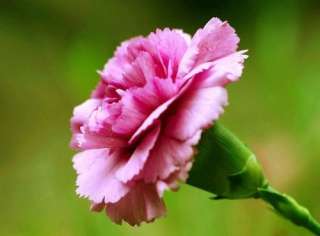
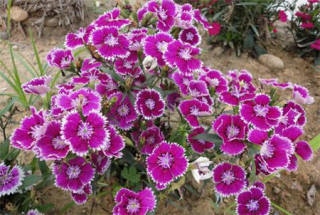
From our rooted perspective, the world is a constant negotiation for sunlight, water, and space. While you see us as decorative, we are survivalists. The arrival of tiny, sap-sucking creatures like aphids and spider mites is not a minor inconvenience; it is a direct assault on our very life force. Here is how we experience and respond to such an invasion, and how you can become our ally in this fight.
The first sign of trouble is not something you see, but something we feel. Aphids, those soft-bodied invaders, cluster on our most tender parts—the undersides of new leaves, the succulent stems, and the precious flower buds. Their piercing mouthparts probe into our phloem, the vital network that carries the sugars we so painstakingly produce through photosynthesis. Each puncture is a wound, an open door for disease, and a drain on our energy reserves. You might notice our leaves beginning to curl and distort, a direct physical response to their feeding and the toxins they inject.
Spider mites are an even more insidious foe. They are so small you may miss them until their damage is severe. They prefer the undersides of our older, mature leaves, piercing individual cells and sucking out the chlorophyll—the very substance that makes us green and allows us to feed ourselves. The result is a tell-tale stippling of tiny yellow dots. As the infestation grows, you might see the fine, silken webbing they spin for protection and travel. For us, this is like being slowly drained of blood and wrapped in a shroud. Our leaves turn bronze, then brown, and desiccate as our ability to create food is systematically destroyed.
We are not entirely helpless. We possess innate defense mechanisms. We can attempt to compartmentalize the feeding sites, sealing off damaged tissue. We can even release volatile chemical signals into the air—a silent alarm meant to attract the attention of beneficial predators like ladybugs and lacewings. However, in the controlled environment of a garden or greenhouse, these natural predators are often scarce. Our chemical signals go unanswered, and our internal resources become depleted. This is where your intervention becomes critical. You must become the predator we are calling for.
Your first line of defense should always be the gentlest, for harsh chemicals can damage our delicate tissues as much as the pests.
Immediate Physical Removal: A strong, sharp spray of water from a hose or spray bottle is immensely helpful. It dislodges aphids and washes away many spider mites and their eggs. Focus the spray on the undersides of our leaves. This simple act mimics a heavy rainstorm, a natural cleanser we are well-adapted to withstand.
Introducing Our Allies: If the water spray is not enough, you can answer our chemical call by purchasing and releasing live beneficial insects. Ladybugs and lacewing larvae are voracious predators of aphids. Predatory mites, such as *Phytoseiulus persimilis*, specifically hunt and consume spider mites. Introducing these allies into our environment is the most natural and sustainable way to restore balance.
Botanical and Soap-Based Sprays: When the infestation is persistent, insecticidal soaps and horticultural oils are effective tools. These substances work by suffocating the pests or disrupting their cell membranes. They are less harmful to beneficial insects and to us, as they break down quickly. It is crucial that you cover every surface, especially the undersides of our leaves, where the pests hide. Always test a small area of our foliage first to ensure we do not have a sensitive reaction.
The best treatment is a preventative one. A stressed carnation is a vulnerable carnation. Ensure we are planted in well-draining soil and receive adequate sunlight. Avoid over-fertilizing us with high-nitrogen fertilizers, as the resulting soft, lush growth is particularly attractive to aphids. Regularly inspect our leaves, especially the undersides. Catching a few pests early allows for a simple spray of water to resolve the issue, preventing a full-scale war on our stems and leaves. Your vigilant care is the greatest protection we can ask for.