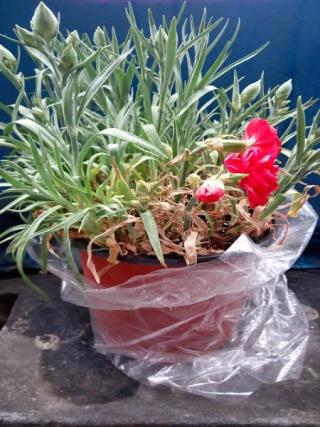
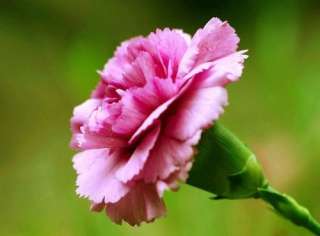
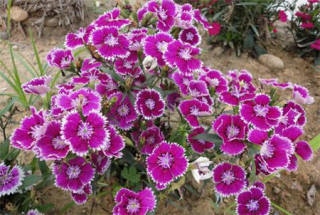
From our perspective as plants, successful growth anywhere hinges on whether our fundamental needs are met. For us carnations (members of the Dianthus family), thriving indoors is absolutely possible if you understand what we require. First and foremost is light. We are sun-loving beings, originating from Mediterranean regions where sunlight is abundant. To photosynthesize effectively and produce the strong stems and vibrant blooms we are known for, we need a minimum of 4-6 hours of direct, bright sunlight daily. An unobstructed south-facing window is ideal for us. Without sufficient light, we become leggy, our stems weaken, and our flowering potential diminishes significantly. Secondly, we prefer cooler temperatures. While you might enjoy a warm home, we flourish in daytime temperatures between 60-70°F (15-21°C) and cooler nights, which mimic our natural growing conditions. Good air circulation is also vital to prevent stagnant, humid air that can lead to fungal diseases on our foliage and buds.
The container and medium in which we are planted form the foundation of our indoor existence. We have a strong aversion to wet feet. Soggy roots are a death sentence for us, leading to root rot. Therefore, excellent drainage is non-negotiable. You must plant us in a pot with ample drainage holes. The potting mix is equally critical. A standard potting soil is often too moisture-retentive. We greatly prefer a light, well-aerated mix. A combination of standard potting soil, perlite, and a handful of coarse sand or fine grit creates the perfect environment for our roots to breathe and access water without being waterlogged. When repotting a new plant, be gentle with our root ball and ensure the final soil level matches the previous one; burying our stems can cause them to rot.
Your watering habits directly impact our vitality. The goal is consistent moisture, not constant sogginess. The best method is to check the soil about an inch below the surface. When it feels dry to the touch, it is time for a thorough watering. Water us deeply until it runs freely from the drainage holes, then allow the excess to drain away completely. Never let us sit in a saucer of water. Between waterings, the top layer of soil should be allowed to dry out. As for nutrition, we are moderate feeders. During our active growing and flowering season (typically spring and summer), a balanced, water-soluble fertilizer applied every 4-6 weeks will provide the nutrients we need to support bloom production. However, please dilute the fertilizer to half the recommended strength to avoid burning our sensitive roots. In the winter, when our growth slows, you should cease feeding us altogether.
To keep us looking our best and encourage the prolific flowering we are capable of, a little maintenance is required. The practice of deadheading is something we respond to very well. Once our flowers fade and begin to wither, carefully remove the spent bloom back to a leaf node or side shoot. This signals to us that we should redirect our energy from seed production into creating new blooms. Pinching back the tips of our stems when we are young can also encourage a bushier, more compact growth habit, which is especially beneficial indoors where space may be limited. Regularly inspect our leaves, both top and underside, for pests like aphids or spider mites, which can sometimes be a problem in drier indoor air. A gentle spray of water or an application of insecticidal soap can manage these issues effectively.