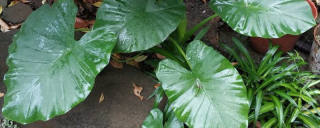
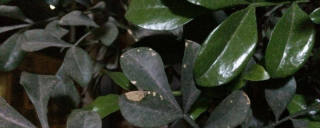
First, let me reassure you. A little yellowing isn't always a crisis. As an Alocasia, I am a growing, dynamic organism. My older leaves, especially those towards the outside of my clump, will eventually age out. When a leaf has served its purpose for a long time and a new, often larger, leaf is pushing through, the older one may gracefully yellow and wither. This is my way of conserving energy, reallocating nutrients from the old leaf to support the new growth. If it's just one leaf at a time, and the rest of me looks vigorous, please don't panic. Simply trim the yellowed leaf close to the base once it's mostly yellow to keep me looking tidy.
This is, by far, the most common reason my leaves send up a yellow flag. My roots need oxygen as much as they need water. When I'm sitting in constantly soggy soil, the air pockets around my roots flood, and they literally begin to suffocate and rot. Once root rot sets in, they can no longer absorb water or nutrients, which ironically causes the leaves to yellow, droop, and feel soft. The key is consistency. I prefer my soil to be like a perfectly wrung-out sponge – moist but not wet. Please check the soil before watering. Stick your finger about two inches down. If it feels damp, wait. Ensure my pot has excellent drainage holes and that I'm never left standing in a saucer of water.
While less common than overwatering, letting my soil become bone dry for extended periods can also stress me out and cause yellowing, particularly at the leaf tips and edges. In this case, the leaves will often feel crispy and may droop significantly. I'm a tropical plant, accustomed to consistent moisture. When I'm too dry, I can't transport nutrients effectively, leading to yellowing. The fix is to establish a more regular watering routine, ensuring you water me thoroughly until water runs out the drainage hole, but then allow the top few inches of soil to dry out before the next session.
My large, dramatic leaves require a steady supply of nutrients to stay lush and green. A lack of essential nutrients, particularly nitrogen, will cause a general yellowing of my older leaves first. Think of it as my body pulling nutrients from older growth to sustain new growth. On the other hand, too much fertilizer can be just as harmful. A buildup of salts in the soil can "burn" my roots, damaging them and preventing water uptake, which also leads to yellowing and brown, crispy leaf edges. Please feed me with a balanced, diluted liquid fertilizer during my active growing season (spring and summer), but give me a rest in the winter.
Light is my life source, but I am particular. I need bright, indirect light to thrive. If I'm stuck in a dark corner, I will become leggy as I stretch for light, and my leaves may yellow and drop because I simply can't produce enough energy. Conversely, if I'm placed in harsh, direct sunlight, especially through a window, my beautiful leaves can get sunburned. This scorching appears as yellow or brown patches, often with a crispy texture. My ideal spot is in a room with plenty of ambient light, perhaps near an east-facing window or a few feet back from a south or west window.
Remember my tropical origins. I am highly sensitive to cold drafts, sudden temperature drops, or even the hot, dry air blowing from heating vents. These environmental stresses can cause my leaves to yellow rapidly. A consistent, warm temperature is key to my happiness. Similarly, if you've recently repotted me or moved me to a new location, I might go through a period of shock. This is a temporary adjustment phase where I might yellow a leaf or two as I acclimate to my new conditions.