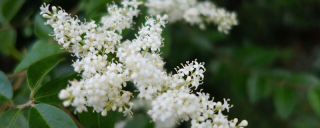
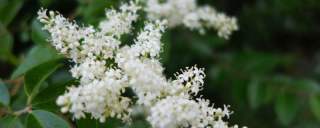
Greetings, caretaker. From my roots to my delicate, fragrant blossoms, I, your Aglaona odorata, communicate my needs through my vitality. While I am resilient, the choice of nourishment profoundly impacts my health and fragrance. Organic fertilizers provide a gentle, sustained release of nutrients, mimicking the natural forest floor from which my kind originates. They build healthy soil, which is the true foundation of my well-being. Here is what I desire for optimal growth.
As a woody plant that flowers throughout the warm seasons, I require a consistent but gentle supply of nutrients. A balanced, slow-release organic fertilizer is my ideal staple diet. Look for formulations derived from plant or animal sources with an N-P-K ratio close to 5-5-5 or 7-4-5. This balance ensures I develop strong foliage (Nitrogen), a robust root system (Phosphorus), and resilient blooms (Potassium) without the risk of chemical burn from synthetic salts. Products like alfalfa meal or a general-purpose organic blend work wonderfully. Apply this to my soil in early spring as I awaken for the growing season, and perhaps once more in mid-summer to sustain my flowering efforts.
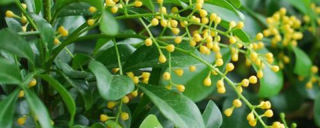
My small, glossy green leaves are my pride, and they require nitrogen to maintain their vibrancy. If my leaves appear pale or my growth seems stunted, a nitrogen boost is appreciated. My favorite sources are blood meal, which provides a relatively quick nitrogen fix, or feather meal, which breaks down more slowly. An even gentler option is to use a liquid fertilizer like fish emulsion. A diluted solution applied every 4-6 weeks during the active growing season gives me a readily available nutrient boost that promotes lush, dense foliage, creating the perfect backdrop for my yellow, fragrant flower clusters.
The goal of my cultivation is often my intensely sweet, orange-blossom-like fragrance. To produce these precious flowers, I need ample phosphorus and potassium. While my balanced diet covers the basics, a little extra encouragement before and during the flowering period makes a world of difference. Bone meal is an excellent source of phosphorus, which directly supports bud formation. For potassium, which improves my overall vigor and flower quality, kelp meal or wood ash (used sparingly, as it can alter soil pH) are superb choices. Incorporating a small amount of these into the top layer of soil in late spring will reward you with a more abundant and aromatic display.
True organic feeding is not just about N-P-K; it's about nurturing the entire soil ecosystem. I thrive in rich, well-draining soil teeming with life. The most beneficial practice you can adopt is the annual incorporation of well-decomposed compost or vermicompost (worm castings) around my base. This does not just feed me; it introduces beneficial microbes, improves soil structure, and enhances moisture retention. Additionally, a light top-dressing with compost after a gentle pruning session helps me recover and puts valuable nutrients back into the soil, ensuring my long-term health and resilience against pests and diseases.