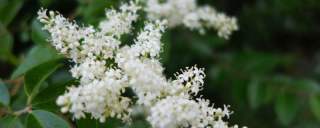
Greetings, caretaker. I am your Aglaia odorata, the plant you know as the Chinese Perfume Plant. From my perspective, the curling of my leaves is my primary way of communicating distress. It is not a disease itself but a clear symptom that my fundamental needs are not being met. Let me explain the specific issues I might be facing.
My leaf curling is often a direct response to water stress. There are two opposing extremes. The first is underwatering. When my roots cannot draw up enough moisture to supply my leaves, the cells lose their turgor pressure—the internal water pressure that keeps my leaves firm and flat. To conserve the precious water I have left, I curl my leaves inward, reducing the surface area exposed to the dry air and minimizing further water loss. You might also notice my soil pulling away from the edges of the pot. The second, and equally dangerous, extreme is overwatering. If my roots are constantly sitting in soggy, oxygen-deprived soil, they begin to rot and die. A damaged root system cannot absorb water or nutrients, leading to a situation where I am drowning yet dying of thirst. The curling in this case is a sign of root failure, and you may also see my leaves turning yellow before they curl.
My small, densely packed leaves are a favorite hiding and feeding spot for tiny pests. Creatures like spider mites, aphids, and scale insects pierce my leaf tissues to suck out the nutrient-rich sap. This feeding activity is physically damaging and dehydrating to the leaf cells. As a defense mechanism and a result of this injury, the affected leaves will often curl, cup, or distort. Spider mites, in particular, are notorious; they weave fine webs on my undersides and cause a stippled, yellowed look before significant curling occurs. Please inspect the undersides of my leaves carefully. If you see tiny moving dots, sticky residue (honeydew), or fine webbing, I am under attack and need your help to evict these pests.
I am a tropical plant, accustomed to consistently warm and humid conditions. Sudden or extreme changes in my environment cause me significant stress. Cold drafts from an open window in winter or the direct blast from an air conditioning vent can shock my system. In response, my leaves may curl and droop as my cellular processes slow down. Conversely, excessive dry heat from a radiator can sap the moisture from my leaves faster than my roots can replace it, causing them to curl and crisp at the edges. I thrive in stable, humid air; low humidity alone can be enough to cause the edges of my leaves to curl inward.
My roots are designed to seek out a balanced diet of nutrients from the soil. A lack of essential elements can cause various symptoms, including curling. However, a more common issue, especially with potted plants like me, is fertilizer salt buildup. When too much fertilizer is applied, salts accumulate in the soil and create a hypertonic environment around my roots. This actually draws water *out* of my root cells, effectively causing root burn and dehydration, which manifests as leaf curl, browning tips, and stunted growth. It is a form of chemical stress that prevents me from taking up the water and nutrients I need, even if they are present.
If I have recently been moved from a nursery to your home, or from one room to another with significantly different light or temperature conditions, I am simply experiencing shock. My leaves were adapted to the previous environment. The new conditions—perhaps stronger light, lower humidity, or different air currents—require me to adjust my physiology. Leaf curling is a common temporary response as I work to acclimate to my new surroundings. With stable, consistent care, I should settle in and produce new growth that is adapted to the current conditions.