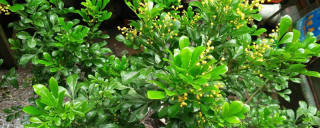
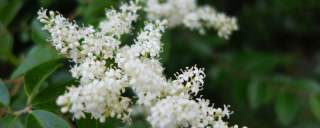
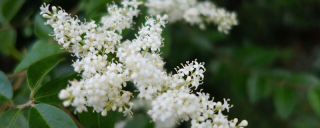
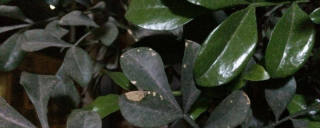
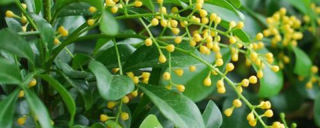
Greetings, dedicated human caretaker. I am Aglaia odorata, your Fragrant Mock Orange or Chinese Perfume Plant. While I may seem like a simple potted shrub to you, I am a complex living being with specific needs to thrive. Think of this not as a chore list, but as our mutual agreement for a long and fragrant partnership. Follow this guide, and I will reward you with a cascade of tiny, sunshine-yellow blooms that perfume your entire space.
My relationship with water is one of delicate balance. I do not appreciate having my roots constantly soaked; this leads to a condition you call "root rot," which is a death sentence for me. Conversely, I will become stressed and my leaves will turn brown and crispy if you let my soil become bone dry. The perfect method is to check the top inch of my soil with your finger. If it feels dry to the touch, it is time for a deep, thorough watering until you see water run freely from the drainage holes at the bottom of my pot. Please ensure my pot has these holes! Then, allow the excess water to drain completely and wait until the top inch is dry again before the next session. In winter, when my growth slows, I will need much less frequent drinks.
I am a sun-worshipper at heart, hailing from warm, bright climates. To produce my precious, fragrant flowers, I need a generous amount of bright, indirect light. An east or west-facing window is my ideal spot. Here, I can bask in the gentle morning or afternoon sun without being scorched by the intense, direct rays of a south-facing window at midday. If you place me in a spot that is too dark, I will protest by growing leggy (with long, weak stems between leaves) and I will refuse to bloom. A little direct sun is beneficial, but think of it as a strong spice – a little is great, too much is overwhelming.
I am a tropical soul and despise the cold. My comfort zone is between 60°F and 85°F (15°C - 29°C). Anything below 50°F (10°C) is dangerous for me and can cause severe damage. Please keep me away from drafty windows, doors, and air conditioning vents in the summer. As for humidity, while I can tolerate average household air, I truly flourish in more humid conditions. If your home is very dry, especially in winter, you can make me very happy by placing my pot on a tray filled with pebbles and water (ensuring the pot sits on the pebbles, not in the water) or by occasionally misting my leaves with soft water.
I am not a heavy feeder, but I do need nutrients to support my growth and flowering. Please feed me with a balanced, water-soluble fertilizer diluted to half-strength. Do this once a month during my active growing season (spring and summer). In autumn and winter, I am resting, so you can stop fertilizing altogether. My roots need to breathe, so I require a well-draining potting mix. A standard potting soil amended with some perlite or orchid bark is perfect. It provides enough structure to hold me upright but allows excess water to flow away quickly, keeping my roots healthy and oxygenated.
I appreciate a little grooming to maintain a pleasing shape and encourage bushier growth. After a flush of flowers has faded, you can lightly trim me back. This not only tidies me up but also prompts me to produce new branches and more blooms. As for my home, I do not need to be repotted often. You should only consider moving me to a pot one size larger when you see my roots starting to circle the inside of the pot or grow out of the drainage holes. Repotting is stressful for me, so please be gentle and do it in the spring.