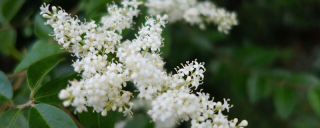
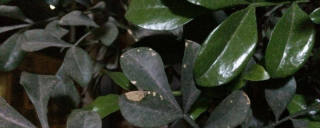
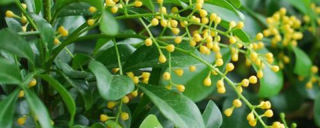
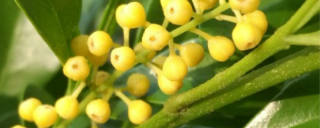
Before beginning the training process, it is crucial to understand the inherent growth patterns of Aglaia odorata, commonly known as Chinese Perfume Plant or Mock Lime. This plant is a slow-growing, woody evergreen shrub or small tree. Its natural form is densely branched and bushy, which is a significant advantage for topiary and standard training as it readily produces lateral growth. The leaves are small, glossy, and pinnately compound, an ideal characteristic for detailed shaping as they create a fine texture. Furthermore, it is amenable to pruning and can bud back readily from old wood, a vital trait for correcting mistakes or encouraging back-budding to create a denser canopy. Its slow growth rate means that the desired form will require patience to establish but will be easier to maintain once achieved, requiring less frequent pruning than faster-growing species.
The foundation for a successful standard or topiary begins with selecting the right plant. For a standard (a lollipop-shaped tree with a clear trunk and a rounded canopy), choose a young, healthy Aglaia odorata specimen with a strong, central, and perfectly straight leader (the main upward-growing stem). This leader will become the trunk. Immediately remove any side shoots or branches from the lower portion of this stem as they appear, but leave the top cluster of leaves intact to allow the plant to continue photosynthesizing and growing vigorously. For a topiary, you may start with a younger, bushier plant if the intended form is complex and requires multiple stems from the base.
As the central leader grows taller, it will need support. Insert a sturdy stake (bamboo or wood) into the pot next to the main stem. Tie the stem to the stake at regular intervals using soft, flexible plant ties, ensuring they are loose enough to not girdle the trunk as it thickens. Continue the process of meticulously removing all lateral branches that emerge along the developing trunk. The goal is to create a bare stem of the desired height. A typical standard trunk is between 2 to 4 feet tall. Allow the plant to grow until the central leader reaches just above your intended trunk height.
Once the trunk of your standard has reached the desired height, the next critical step is to pinch or prune the tip of the central leader. This action removes the apical meristem (the primary growing point) and redirects the plant's energy to the lateral buds just below the cut. This will stimulate the growth of side branches that will form the head or canopy of the standard. For a topiary, you will begin shaping the existing foliage mass by frequently and lightly shearing or pinching the new growth. Start with a simple geometric form like a ball or cone. Use a topiary frame as a guide for more intricate shapes, pruning any growth that extends beyond the frame.
The key to a well-defined Aglaia odorata topiary or standard is consistent and diligent pruning. During the active growing season, regularly pinch or trim the new growth. This should be done lightly but frequently—every few weeks—to encourage dense, branching foliage and to maintain the crisp shape. Always use sharp, clean pruning shears to make clean cuts and prevent disease. Each pruning session reinforces the plant's structure, directing energy into filling out the designated form. For a standard, continue to remove any suckers that may appear from the base of the plant or along the trunk to preserve the clean, single-stemmed appearance.