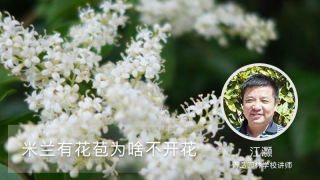
From my roots upward, I require soil that is consistently moist but never waterlogged. Many caretakers misinterpret this, leading to two critical errors. The first is allowing my soil to dry out completely. When this happens, my roots become stressed and cannot effectively transport water and nutrients to my leaves and flowers. You will see my leaves wilt, curl, and turn crispy at the edges as a desperate signal. The second mistake is the opposite: overwatering me until my roots are sitting in soggy, oxygen-deprived soil. This creates an anaerobic environment where root rot fungi thrive, silently attacking my root system. Once root rot sets in, my ability to absorb water is compromised, often leading to a confusing situation where my leaves yellow and drop despite the wet soil. The key is to check the top inch of soil; if it feels dry, it's time for a deep, thorough drink that allows excess water to drain freely away.
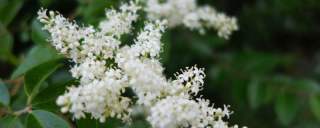
My leaves are fine-tuned for bright, but filtered, light. Think of the dappled sunlight that reaches the forest floor in my native habitat. Exposing me to intense, direct afternoon sun is a common mistake that scorches my delicate foliage, leaving behind brown, burnt patches that cannot photosynthesize effectively. This damage weakens me significantly. On the other hand, relegating me to a deep, dark corner is equally detrimental. Without sufficient light, my photosynthetic engine sputters. I will respond by becoming leggy, with elongated stems and widely spaced leaves as I stretch desperately towards any light source. My growth will be stunted, and I will likely refuse to produce the fragrant white flowers you desire. A spot with bright, indirect light for most of the day is ideal for my health and happiness.
As a tropical plant, I thrive in warm, humid conditions. A very common mistake is placing me in a room with dry, stagnant air, especially near heating or air conditioning vents. Low humidity causes the moisture in my leaves to evaporate faster than my roots can replace it, leading to brown, crispy leaf tips and margins. It also makes me more susceptible to pests like spider mites, who love dry conditions. Furthermore, I am sensitive to temperature fluctuations. Cold drafts from windows or doors in winter, or temperatures dropping below 50°F (10°C), can cause cold shock. This manifests as sudden leaf yellowing and drop. Similarly, extreme heat without a corresponding increase in humidity will cause me stress. Maintaining a stable, warm environment with elevated humidity—achieved through pebble trays, humidifiers, or regular misting—is crucial for my lush appearance.
While I am not a heavy feeder, I still require nutrients to support my growth and flowering. A common error is either never fertilizing me or over-fertilizing. Starving me of nutrients results in pale leaves, slow growth, and a lack of blooms. Conversely, applying too much fertilizer, especially in the dormant winter months, leads to a harmful buildup of salts in the soil that can burn my roots. A balanced, water-soluble fertilizer applied monthly during the active growing season is sufficient. Additionally, ignoring my root system is a mistake. If I become pot-bound, with roots circling tightly around the container, my growth will be severely restricted. You may notice stunted growth, yellowing leaves, and soil that dries out unusually quickly. Repotting me into a slightly larger pot every one to two years refreshes the soil and gives my roots the space they need to support a healthy plant.