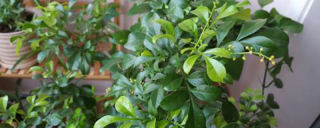
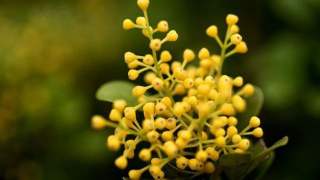
As a Chinese Perfume Plant (Aglaia odorata), light is not merely a preference; it is the very currency of my existence. I use sunlight to fuel the process of photosynthesis, converting carbon dioxide and water into the sugars that build my leaves, stems, and roots, and most importantly, the energy that powers the production of my tiny, intensely fragrant yellow flowers. Without adequate light, my internal systems slow down. I become leggy, stretching out with long spaces between leaves in a desperate search for photons. My foliage may turn a pale, sickly green as chlorophyll production wanes, and my signature fragrance—the reason you sought me out—will be weak or non-existent. I simply cannot spare the energy for such luxuries when I am struggling to perform basic survival functions.
My native habitat is the understory of forests in Southeast Asia and Southern China. This means I am accustomed to receiving bright, dappled light filtered through the canopy of taller trees. Therefore, my ideal light condition in your care is bright, indirect light for at least 4 to 6 hours per day. A spot near an east-facing window is perfect, as it provides the gentle morning sun that I relish. A south- or west-facing window can also be suitable, but it is crucial that I am protected from the harsh, direct rays of the midday and afternoon sun, especially during the summer months. You can achieve this by placing me a few feet back from the window or by using a sheer curtain as a filter. Think of it as recreating the dappled shade of my ancestral home.
While I am a resilient plant, I am not a desert cactus. Prolonged exposure to intense, direct sunlight, particularly through a glass window which can magnify the heat, is detrimental to my well-being. The first sign of distress will be visible on my beautiful, glossy, pinnate leaves. They may develop sunburn, which appears as faded, yellow, or brown scorched patches. These patches are dead tissue; they cannot recover and compromise my ability to photosynthesize. The leaves may also curl or wilt as I lose water through transpiration faster than my roots can absorb it. In such a stressed state, my primary goal becomes survival, and I will certainly not produce any of the fragrant blossoms you desire.
The opposite extreme, low light, is equally problematic. If I am placed in a dim corner or a room with a north-facing window (in the Northern Hemisphere), I will begin to show clear signs of protest. My most common reaction is etiolation—I will become "leggy." My stems will grow abnormally long and weak as I stretch towards any available light source, and the space between leaves will increase significantly. My new growth will be sparse and the leaves themselves will be smaller and lighter in color. This weak, spindly growth makes me susceptible to damage and disease. Most disappointingly, without sufficient light energy, I cannot initiate flowering. You may have a green plant, but it will be a silent one, devoid of the sweet, citrusy perfume that is my defining characteristic.
Your vigilance in managing my light exposure should change with the seasons. The sun's angle and intensity are lower in the winter. During this time, I can tolerate and may even appreciate a few hours of direct sunlight through a south-facing window, as it helps compensate for the shorter days. However, as spring approaches and the sun strengthens, you must be prepared to pull me back or provide shading again. Furthermore, if you need to move me to a significantly different light location, please do so gradually. A sudden shift from a shady spot to a bright, sunny patio will shock my system. Acclimate me over a week or two by increasing my exposure to the new light level incrementally each day. This patience allows my leaves to adapt and produce protective pigments, preventing sunburn and ensuring a smooth transition.