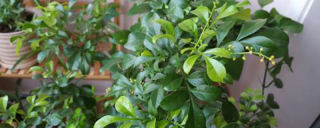
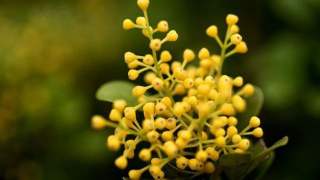
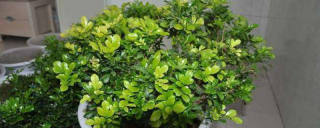
Before embarking on your search to purchase an Aglaion Odorata plant, it is crucial to understand its fundamental botanical characteristics. Commonly known as the Chinese Perfume Plant or Mock Lime, Aglaion Odorata is a tropical evergreen shrub belonging to the Meliaceae family. It is prized not for showy flowers but for its incredibly fragrant, tiny, yellow-golden blossoms that resemble miniature balls of rice. These flowers emit a sweet, citrusy scent that can perfume an entire garden or room. The plant itself features dense, glossy green foliage on a slow-growing, compact shrub that can be maintained at a manageable size, making it suitable for containers. This understanding is key because it dictates the plant's needs and, consequently, the type of seller who can provide a healthy specimen.
When evaluating a potential plant, your focus should be on specific physiological signs of health. A robust Aglaion Odorata will have vibrant, deep green leaves that are firm and glossy, without any signs of yellowing, browning at the tips, or spots, which could indicate overwatering, nutrient deficiencies, or disease. Inspect the undersides of the leaves meticulously for pests such as spider mites, scale, or aphids, as these can severely weaken the plant. The plant's structure should be bushy and well-branched, not leggy or sparse, indicating it has received adequate light during its growth phase. Gently check the root system if possible; a healthy root ball should be white or light tan and firm, not mushy or dark, which are symptoms of root rot. The soil should be moist but not soggy.
The most reliable source for a healthy Aglaion Odorata in the US is a specialized tropical plant nursery or a high-quality greenhouse. These establishments understand the specific environmental needs of tropical plants. Their staff are typically knowledgeable about proper care, including the well-draining, slightly acidic soil mix that Aglaion Odorata prefers and the bright, indirect light it requires to thrive and produce its fragrant blooms. Visiting a local nursery allows you to physically inspect the plant using the criteria above. Furthermore, plants sourced from local greenhouses are often already acclimated to your regional humidity levels, reducing the shock of transitioning to your home. You can use online directories or plant enthusiast groups to locate nurseries in your area that specialize in fragrant or tropical plants.
For those without access to a local specialty nursery, online plant retailers are a viable alternative. When purchasing online, it is imperative to choose reputable vendors known for their careful packaging and healthy plant stock. Look for sellers that provide detailed, recent photographs of the actual plant you will receive, not just a generic stock image. Read customer reviews specifically regarding the health of plants upon arrival. A trustworthy online retailer will specialize in shipping live plants and will have protocols for safe transit, often shipping at the beginning of the week to avoid weekend delays. Be aware that purchasing online carries a slight risk of transit stress, but a healthy plant from a quality source will recover with proper care.
Aglaion Odorata is hardy only in USDA zones 10-11. In most parts of the US, it must be grown in a container that can be moved indoors before the first frost. This climatic requirement is a critical factor in your purchasing decision. A healthy plant can quickly decline if its aftercare needs are not met. Upon acquiring your plant, ensure it is placed in a location with bright, filtered sunlight and protected from harsh afternoon rays. Water it when the top inch of soil feels dry, and feed it with a balanced, slow-release fertilizer during the growing season. Proper aftercare is the final, essential step in ensuring the long-term health and fragrance of your Aglaion Odorata plant.