From the perspective of the plant itself, being cultivated indoors represents a significant shift from its natural habitat. While often seen as a human-centric benefit, this controlled environment offers distinct advantages that cater directly to the plant's physiological needs, promoting its health, longevity, and unique characteristics.
In its native subtropical regions, the Chinese Perfume Plant (Aglaia odorata) is subject to the unpredictability of nature. Indoors, it is granted a sanctuary free from many environmental stressors. It no longer needs to endure the physical battering of strong winds, which can break stems and shred leaves. More critically, it is shielded from damaging frost and freezing temperatures that are fatal to this tender perennial. The plant experiences a consistently mild temperature range, ideally between 60-75°F (15-24°C), which mimics its preferred climate without the extremes. This stability allows the plant to direct its energy away from survival and towards sustained, healthy growth.
Light is the fundamental currency of a plant's life. While indoors cannot replicate the full spectrum and intensity of direct, outdoor sun, it offers a crucial advantage: controlled, bright, indirect light. In the wild, a plant may be shaded by larger trees or subjected to scorching midday sun that can bleach leaves. An indoor placement, such as near an east or south-facing window (with a sheer curtain), provides a consistent and high-quality light source for photosynthesis without the risk of leaf scorch. This reliable light regime supports steady production of chlorophyll and carbohydrates. Furthermore, the generally higher humidity levels found in many homes, especially compared to air-conditioned or heated rooms, are beneficial. Adequate humidity keeps the stomata (pores on the leaves) functioning efficiently for gas exchange, preventing them from closing to conserve water, which would inadvertently slow down photosynthesis and transpiration.
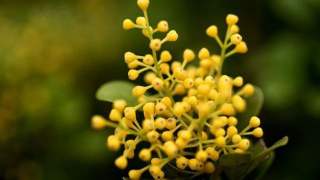
The primary reason for the plant's popularity is its captivating, sweet fragrance reminiscent of perfume. This scent comes from tiny, yellow flowers that bloom intermittently. The production of these volatile compounds is a metabolic process influenced by environmental factors. Stressors like drought, extreme heat, or pest attacks can reduce or alter flowering. In a protected indoor setting, with consistent watering and nutrition, the plant is more likely to produce blooms reliably. The still air indoors also works to the plant's advantage. Unlike outdoors where breezes quickly disperse scent molecules, the relatively calm indoor air allows the fragrance to accumulate and permeate the room, making the olfactory display more potent and noticeable. This is a more effective strategy for the plant's reproductive signaling, even if in this context it is appreciated by humans rather than pollinators.
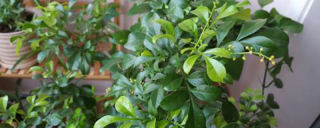
In an outdoor garden or natural setting, a plant is in constant competition with others for root space, water, and nutrients. It is also part of a complex food web, susceptible to a wide array of insects, mites, and fungal diseases. The indoor environment simplifies this existence dramatically. Planted in its own container with fresh, sterile potting mix, the Chinese Perfume Plant has exclusive access to all available resources without competition. The barrier of the home significantly reduces the threat of common garden pests like aphids, scale, and spider mites. While not immune, the incidence of infestation is far lower, meaning the plant spends less energy on defense mechanisms and can dedicate more resources to lush, glossy leaf production and root development. This results in a generally healthier and more aesthetically pleasing specimen.