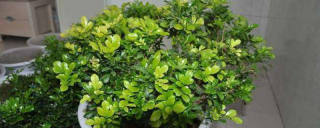
As a member of the Aglaia genus, I possess a fine, fibrous root system that is surprisingly efficient but also quite sensitive to waterlogging. My roots require a constant balance of moisture and air. When water saturates the soil for too long, it drives out the vital oxygen my roots need to breathe and function. This leads to root rot, a condition that is often fatal. Therefore, the single most important characteristic of any potting mix you create for me is excellent drainage. The mix must allow water to flow through it freely, leaving the particles moist but not soggy, while simultaneously creating air pockets that keep my root zone well-aerated.
A perfect DIY potting mix for me should feel light and fluffy. A standard, peat-heavy potting soil is too dense and retains too much moisture on its own. You should think of creating a custom blend. A reliable and effective base recipe would be a combination of one part standard potting soil, one part coarse materials like orchid bark or coconut husk chips, and one part drainage-enhancing amendments like perlite or pumice. The potting soil provides a base of organic matter and some moisture retention. The orchid bark or coco chips are crucial; their chunky nature creates the large air pockets my roots crave and ensures the structure of the mix doesn't break down and compact over time. The perlite or pumice further guarantees that water drains quickly and doesn't pool around my delicate roots.
I thrive in a slightly acidic to neutral soil pH, ideally ranging from 6.0 to 7.0. This pH range allows me to efficiently absorb the essential nutrients from the soil. While the components mentioned above generally fall within a suitable pH range, it's a good practice to be aware of this need. The process of aeration is intrinsically linked to the physical structure of the mix. Every time you add a chunky, inorganic component like perlite or bark, you are actively improving the aeration. This is non-negotiable for my health. A well-aerated mix prevents the soil from becoming compacted, which would otherwise strangle my roots and hinder their growth, leading to a stunted and unhappy plant.
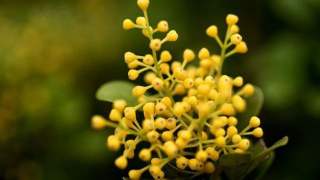
The DIY potting mix you create will provide me with a excellent physical environment, but it may not be rich in nutrients initially. The organic components, like the potting soil, will contain some nutrients, but they will be depleted over time as I grow and you water me. This is why a consistent feeding schedule is vital. You should supplement my diet with a balanced, water-soluble fertilizer diluted to half-strength during my active growing season (spring and summer). In the dormant winter months, you can reduce or cease feeding altogether. Remember, the goal of the mix is to provide a stable, well-draining home; you will be responsible for providing the regular nourishment I need to produce my fragrant, yellow blooms.