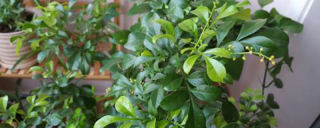
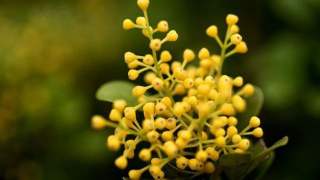
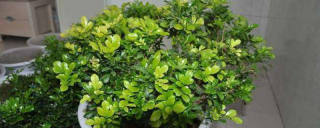
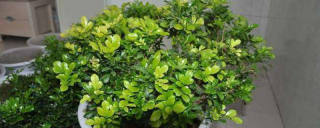
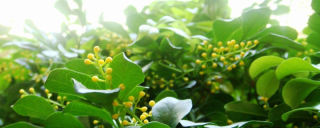
Greetings, caretaker. I am your Aglaia odorata, the Chinese Perfume Plant. You know me for my tiny, golden-yellow blooms that scent the air with the fragrance of apricots. I am a child of the warm, subtropical forests of Southeast Asia, where the air is consistently moist and the ground never freezes. As the sun weakens and the days shorten, I sense a great change coming. The vibrant energy of summer is fading, and I must prepare for the season of cold. My survival through the colder months depends on your understanding of my fundamental needs. Here is what I require from you.
My first and most critical request is to be brought indoors. My leaves and stems are not equipped with any natural resistance to freezing temperatures. Even a light frost can cause severe cellular damage, turning my vibrant green foliage black and brittle. I do not need a tropical greenhouse, but I do need a space that remains consistently above 45°F (7°C). An ideal spot is a cool, bright room, such as an unheated sunroom or a south-facing window in a cooler part of your home. Please, avoid placing me directly next to a hot radiator or a drafty doorway. These extremes of hot and cold air are as stressful to me as the freezing outdoors.
As the temperature drops, my internal processes slow down significantly. I enter a state of semi-dormancy; I will not produce new growth, and my thirst diminishes greatly. This is where your care must change most dramatically. You must allow the top few inches of my soil to dry out completely between waterings. Probe the soil with your finger. If it feels moist, wait. Overwatering is now my greatest enemy, as my roots cannot absorb moisture quickly in the cold, soggy soil. This leads to root rot, a silent killer that will cause my leaves to yellow and drop, and my branches to wither from the inside out. It is far better for me to be slightly too dry than constantly wet.
While I am not growing, I am still alive, and I need light to sustain my basic functions. The weak winter sun is a poor substitute for the full sun of summer, so please place me in the brightest window available. A south or west exposure is ideal. You may notice some leaf drop; this is a normal response to the lower light levels. I am simply shedding foliage that I can no longer efficiently support. Do not be alarmed, and please, do not fertilize me. Fertilizer would encourage new, weak growth that is vulnerable to pests and disease in the low-light conditions. My system is at rest, and I must be allowed to remain so.
Indoor winter air, heated by your furnaces, is incredibly dry and stressful for me. In my native habitat, the air is humid. This dry air can cause my leaf tips to turn brown and crisp and can make me more susceptible to spider mites, tiny pests that thrive in arid conditions. You can help me by increasing the humidity around my leaves. Placing my pot on a tray filled with pebbles and water (ensuring the pot sits above the water line) is an excellent solution. Alternatively, a occasional gentle misting of my leaves with room-temperature water can provide temporary relief.
As the deepest cold passes and the days begin to noticeably lengthen, I will feel a stirring within me. You will see tiny buds beginning to swell. This is the time for gentle encouragement. Wait until all danger of frost has passed before even considering moving me back outside. Begin to increase watering slightly as new growth appears. Only after I have been re-acclimated to the outdoors should you offer a diluted, balanced fertilizer to support my new season of growth. With your careful stewardship through this dormant period, I will reward you with a flush of healthy growth and another season of my fragrant blossoms.