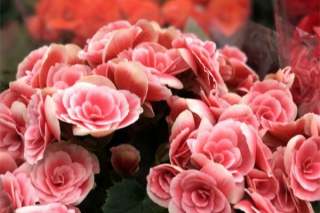
As a photosynthesizing organism, my primary directive is to convert light energy into chemical energy. Flowering is an energetically expensive process, requiring significant resources. If I am not receiving enough light, my system prioritizes survival over reproduction. I will focus my limited energy on producing leaves to capture more light, rather than on developing flower buds. The term "bright, indirect light" is often used for me, but this can be misinterpreted. I thrive in a spot that is brightly lit for most of the day, such as near an east or south-facing window (with a sheer curtain to diffuse the strongest afternoon rays). Low light conditions force me into a purely vegetative state, and I simply cannot muster the energy to bloom.
The nutrients you provide me directly influence my growth habits. Fertilizers contain a mix of elements, but the balance of Nitrogen (N), Phosphorus (P), and Potassium (K) is critical. Nitrogen promotes vigorous green, leafy growth. If you give me a fertilizer with high nitrogen content, you are essentially sending me a chemical signal that says, "Grow more leaves!" I will respond accordingly, becoming lush and green but with no incentive to flower. To encourage blooming, I require a fertilizer with a higher proportion of Phosphorus (the middle number in the N-P-K ratio, e.g., 5-10-5). Phosphorus is essential for energy transfer and root, flower, and fruit development. It signals to my internal systems that conditions are suitable for investing in reproduction.
My roots are my foundation, and their comfort dictates my overall health and performance. Two common issues relate to my pot and soil. Firstly, I may be slightly root-bound. While being severely pot-bound can cause stress, being comfortably snug in my pot can sometimes trigger a survival response to flower and set seed. However, more often, the problem is the opposite: the soil medium retains too much water. My roots need oxygen as much as they need water. Soggy, poorly-draining soil suffocates my root system, leading to root rot. A stressed, unhealthy root system cannot effectively uptake water or nutrients, and my entire system goes into survival mode, abandoning any plans for flowering. Ensure I am planted in a well-aerated, fast-draining mix and that my pot has adequate drainage holes.
Water is the medium for all my internal processes. Inconsistent watering creates significant stress. If you allow me to wilt severely between waterings, I will perceive this as a drought period. My response is to conserve resources, and flowering is the first process to be halted. Conversely, overwatering, as mentioned, damages my roots. Furthermore, as a plant that originates from regions with relatively high humidity, dry air can hinder bud formation. While I can tolerate average household humidity, very dry air can cause developing flower buds to abort or dry out before they even have a chance to open. Maintaining consistent soil moisture (water when the top inch of soil feels dry) and providing ambient humidity through a pebble tray or occasional misting can create a more favorable environment for flowering.
It is important to understand my natural rhythm. I may have a specific season or age when I am most inclined to flower. Furthermore, your pruning habits can directly impact flowering. If you are constantly trimming my new growth, you may be inadvertently removing the stems that were preparing to produce flowers. Flowers typically develop on new, mature growth. Pruning immediately after a potential flowering cycle can encourage bushier growth and set the stage for more blooms later, but pruning at the wrong time can remove the very buds you are hoping to see. Observing my growth pattern will help you time your pruning to encourage, rather than inhibit, flowering.