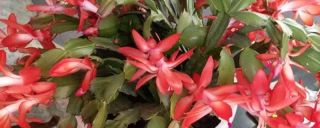
To understand the ideal pot for a Christmas cactus (Schlumbergera spp.), one must first examine its root system. Unlike many cacti that develop deep, extensive taproots for desert survival, the Christmas cactus is an epiphyte. In its natural habitat of the Brazilian rainforest, it grows on trees or in rocky crevices, not in deep soil. Consequently, its root system is surprisingly shallow and fine, designed to quickly absorb moisture and nutrients from decaying organic matter trapped in bark and moss. This root structure is not aggressive and does not require a deep container to thrive. In fact, a pot that is excessively large or deep can be detrimental, as the excess soil will retain water for too long, creating a soggy environment that the delicate roots cannot tolerate, leading to root rot.
The single most important rule when selecting a pot for a Christmas cactus is to choose a container with adequate drainage holes. The plant's roots demand a moist but well-aerated environment and will quickly succumb to rot if left sitting in water. The size of the pot should be only slightly larger than the plant's current root ball. A good rule of thumb is to select a pot that is about 1 to 2 inches (2.5 to 5 cm) wider in diameter than the plant's base. This provides just enough room for new growth without creating a vast volume of wet soil. A Christmas cactus actually prefers to be slightly pot-bound, which can encourage more prolific blooming. Repotting is typically only necessary every 3 to 4 years, or when you see roots emerging from the drainage holes, indicating the plant has truly outgrown its current home.
The material of the pot influences moisture retention and root aeration, which are critical for the plant's health.
Terracotta or Unglazed Clay: These are often considered the best choices for a Christmas cactus. The porous nature of the clay allows air and water to pass through the pot walls, which helps the soil dry out more evenly and prevents waterlogging. This "breathing" action mimics the plant's natural epiphytic conditions. The main drawback is that terracotta pots dry out more quickly, requiring more frequent watering checks, especially in warm, dry climates.
Plastic or Glazed Ceramic: These materials are non-porous, meaning they retain moisture for a much longer period. While this can be beneficial for forgetful waterers, it significantly increases the risk of overwatering and root rot. If you choose a plastic or glazed pot, you must be extra vigilant about your watering schedule, ensuring the top inch of soil is dry before adding more water. The advantage is a wider variety of colors and styles.
The pot's function is intrinsically linked to the soil it holds. Regardless of the pot type, the soil must be exceptionally well-draining. A standard potting soil is too dense and moisture-retentive on its own. The ideal mix for a Christmas cactus is one formulated for epiphytes, such as an orchid or bromeliad mix. Alternatively, you can create a blend using regular potting soil amended with large amounts of perlite, orchid bark, or coarse sand. This creates a chunky, airy medium that allows water to flow through freely, providing moisture to the roots while allowing excess to drain away, preventing the soggy conditions that are fatal to the plant.
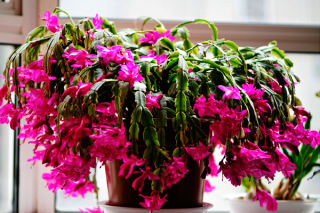
Choosing the correct pot size and type directly influences the overall vitality and flowering capability of the Christmas cactus. A pot that is too large or made of a non-porous material can lead to chronic overwatering, manifesting as yellowing, drooping segments, and eventual root collapse. Conversely, a properly sized, well-draining pot promotes a healthy root system, which supports robust green growth. Furthermore, the slight stress of being pot-bound is a key environmental cue, alongside proper light and temperature, that signals to the plant it is time to set buds for its spectacular winter display. A happy, root-healthy Christmas cactus in an appropriate pot is far more likely to reward you with an abundance of vibrant flowers.