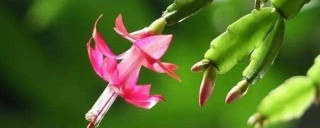
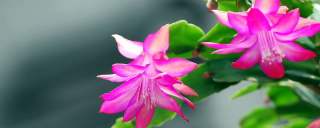
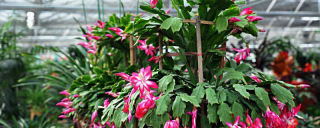
As a Christmas cactus, my nutritional requirements are not constant; they shift dramatically with the seasons, synchronized with my growth and blooming cycles. I am not a heavy feeder like a tomato plant or a lawn. Instead, I thrive on a balanced and thoughtful feeding schedule that supports my two main phases: the vegetative growth period and the critical blooming period. Applying the wrong fertilizer at the wrong time can result in lush, green segments but a complete absence of the vibrant flowers you cherish. Therefore, the "best" fertilizer is less about a single magic formula and more about the right blend applied at the right time.
For the majority of the year, during my active growth phase from spring through late summer, I benefit most from a balanced, water-soluble fertilizer. Look for a formula with an equal ratio of the three key macronutrients, such as a 10-10-10 or 20-20-20. The first number represents Nitrogen (N), which is essential for producing healthy, green cladodes (the leaf-like segments that make up my body). Phosphorus (P), the second number, supports strong root development and is a precursor to flowering. Potassium (K), the third number, ensures overall plant vigor, improving my resistance to disease and environmental stress. This balanced diet provides all the foundational elements I need to build a robust structure capable of supporting a spectacular bloom.
As the days grow shorter in late summer or early fall, my internal clock signals the approach of my flowering season. This is the time to alter your feeding strategy to encourage bud formation. About a month or two before you expect me to bloom, typically around late September or October, you should switch to a fertilizer that is higher in phosphorus. A formula with a ratio like 10-30-20 or 5-10-5 is ideal. The higher phosphorus content encourages me to direct my energy away from pure vegetative growth and towards the development of flower buds. This specific nutritional cue is critical for a prolific display. It tells my physiology, "It's time to focus on reproduction."
Regardless of the formula, I am sensitive to fertilizer salts, so it is imperative that you always dilute the fertilizer to half or even a quarter of the strength recommended on the package for outdoor plants. A strong dose can damage my delicate roots. During my active growth period in spring and summer, you can feed me with the balanced fertilizer every two to four weeks. When you switch to the bloom-booster fertilizer in the fall, apply it according to the same diluted, monthly schedule. The most important rule is to stop fertilizing entirely about a month before the buds are set to open, and do not resume until after the flowering period is completely over. This resting period is a natural part of my cycle.
While fertilizer is important, it is only one part of the equation for my health and flowering success. My ability to absorb and utilize these nutrients depends heavily on other conditions. I require bright, indirect light; direct sun can scorch my segments. I need to be potted in a very well-draining, acidic potting mix, often one formulated for orchids or succulents, as my roots must never sit in water. Furthermore, the initiation of my flower buds is triggered by a combination of longer nights and cooler temperatures. Without 12-14 hours of uninterrupted darkness and temperatures around 50-55°F (10-13°C) for several weeks, even the best fertilizer will not produce blooms.